
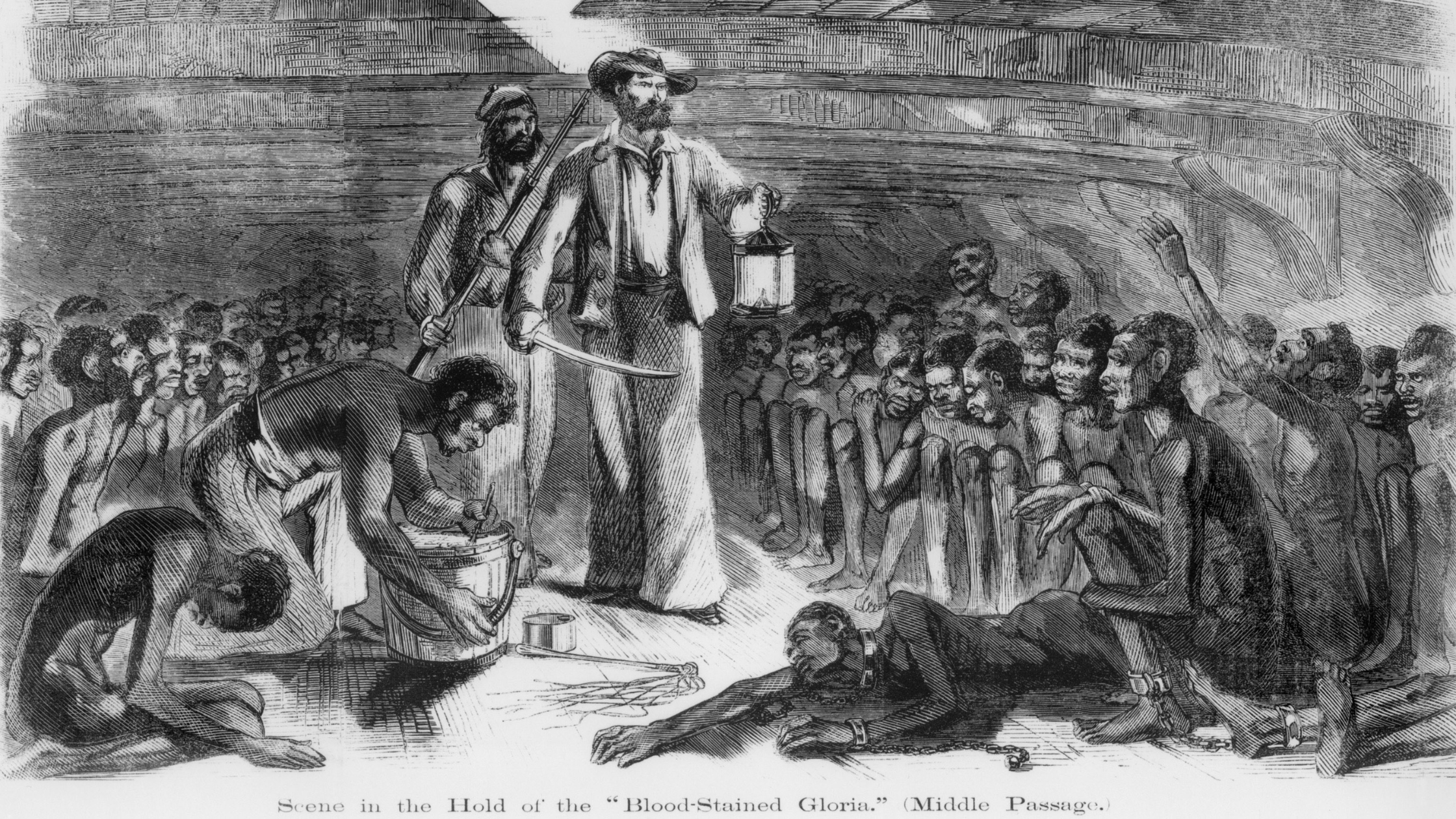
Montserrat joins several Caribbean territories in commemorating Emancipation Day, marking the abolition of slavery in the British colonies. On the island, this significant observance falls on the first Monday in August, known locally as August Monday, and is a time of reflection, cultural expression, and community celebration.
Emancipation Day traces its roots to August 1, 1834, when the Slavery Abolition Act came into effect across the British Empire. Although enslaved people in Montserrat and other colonies were technically freed on that date, most were placed into an apprenticeship system that delayed true freedom for four more years. Full emancipation was achieved on August 1, 1838.
While August 1 remains the official date of emancipation, Montserrat observes the holiday on the nearest Monday as part of a long-standing regional tradition that also aligns with other public holidays and festivals. This gives residents the opportunity to both honour the legacy of their ancestors and participate in cultural and recreational activities.
August Monday on Montserrat is typically a quiet day with the Anglican Bazaar, held in St. Peters, providing an opportunity to mingle and enjoy traditional foods and entertainment.
Nincum Riley, a key figure in the announcement of emancipation on Montserrat, is remembered in song:
“De fus’ o’ Agus is cum ‘gin
Hurrah fo’ Nincom Riley!
If buckra nack, me nack ‘ee ‘gin.
Hurrah fo’ Nincom Riley!”
According to historians Neil How and Sir Howard Fergus, no actual record exists for a slave with that name. However, he lives on as a symbol of the freed, ready to take matters in his own hands and defend himself. Something they were unable to do while enslaved.
Whether you commemorate August 1 or the first Monday in August, the day serves not just as a remembrance of a painful past, but also as a call to uphold justice, equality, and self-determination in modern Montserratian life.
Discover more from Discover Montserrat
Subscribe to get the latest posts sent to your email.

