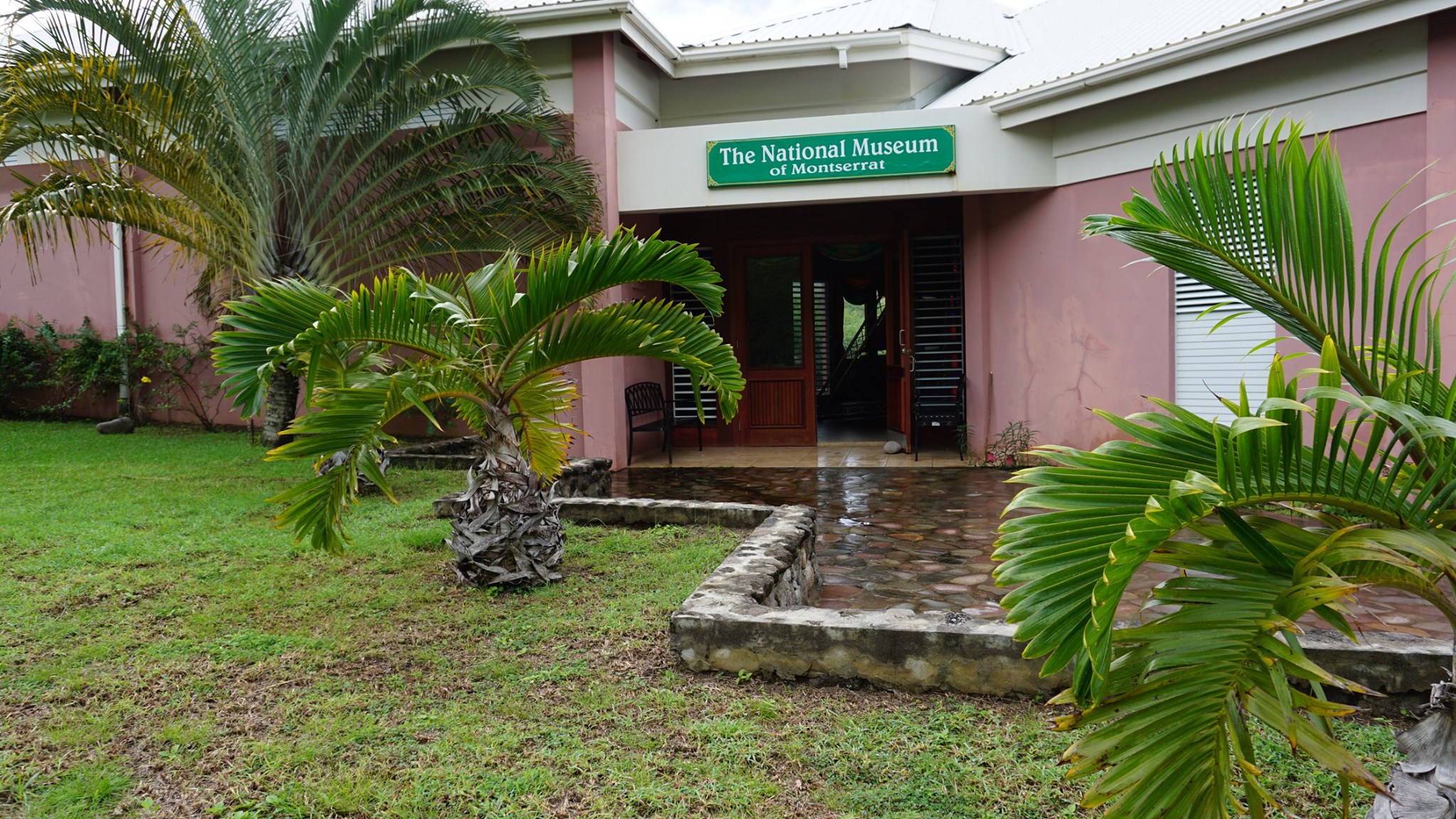
A new Biodiversity & Well-being Showcase Garden is being developed at the National Museum of Montserrat, supported by £48,732 in funding from Darwin Plus Local.
The project, which runs from October 2025 to September 2026, aims to establish a protected, climate-resilient green space in Little Bay. It is being led by the Montserrat National Trust, with Sarita Francis as project leader.
Designed as both a living demonstration site and a community resource, the garden will highlight Montserrat’s native and medicinal plants, create micro-habitats for insect pollinators, and show how renewable energy and water-conservation systems can be integrated into public spaces. A solar-powered drip irrigation system will be installed to ensure the garden remains healthy during extended dry periods, particularly on the island’s north side where conditions are more challenging for plant growth.
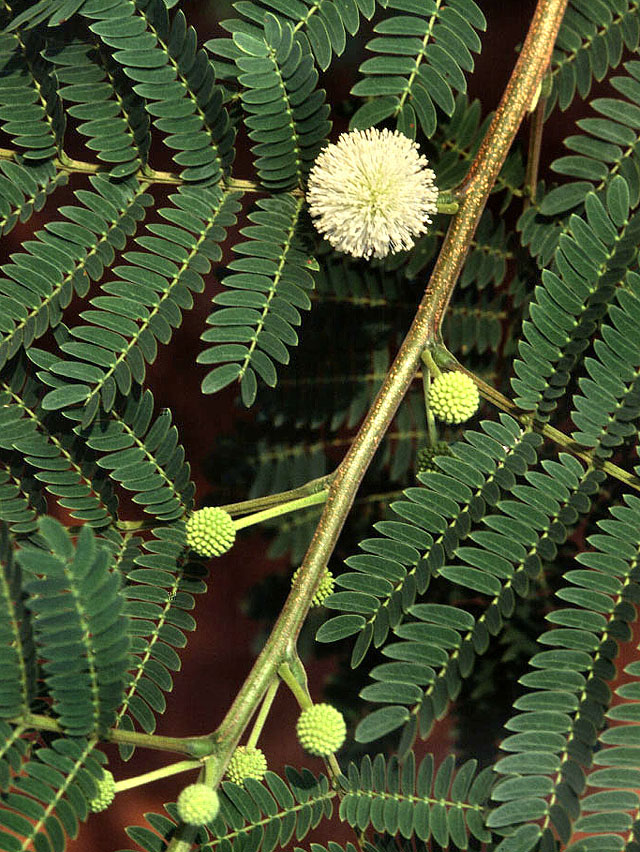
The project directly addresses several long-standing environmental and cultural challenges. Feral goats continue to threaten native vegetation through overgrazing, while invasive Leucaena leucocephala reduces space and resources for indigenous species. To counter this, local craftsmen will construct a durable perimeter barrier using locally sourced stone, iron and mesh, protecting the garden while also slowing the spread of invasive plants.
Beyond biodiversity protection, the initiative places strong emphasis on skills preservation. Two experienced stone masons will train apprentices and lead public workshops, passing on traditional stone-building techniques that are at risk of being lost. These methods not only have cultural value but also support biodiversity by creating niches for vines, mosses, ferns and pollinators such as bees, butterflies and hoverflies.
Oversight and day-to-day coordination will be provided by the museum’s curator, Samantha Lauren, who will manage contractor engagement, garden works, reporting and outreach activities. The Trust’s Conservation Officer and team will handle practical implementation, working closely with the Department of Environment to select suitable plant species and ensure best practice in garden design and maintenance.
The UK Overseas Territories Conservation Forum will support communications and help align the project with other conservation initiatives. Interpretation labels, curated to match the museum’s existing style, will explain the ecological, cultural and technological features of the garden, linking it to wider exhibits and to the Trust’s publication Thirty Medicinal Plants from Montserrat.
Community engagement is a central component of the project. Outreach activities will involve schools, youth organisations and community groups, encouraging residents and visitors to use the space for learning, reflection and outdoor activities. As the area continues to urbanise, the garden is intended to serve as a rare accessible green space that supports mental well-being as well as environmental education.
Success will be measured through a combination of ecological, cultural and social indicators. These include reductions in goat intrusions, increased plant health and pollinator activity monitored through citizen science tools, participation in stone masonry workshops, and visitor feedback on the garden’s educational and well-being value. Data gathered will contribute to wider biodiversity monitoring efforts and help inform future policy and planning decisions.
By combining conservation, renewable energy, traditional skills and public engagement in one highly visible site, the Biodiversity & Well-being Showcase Garden is expected to become a model for sustainable urban development in Montserrat, demonstrating how heritage and innovation can work together in shaping the island’s future.
Discover more from Discover Montserrat
Subscribe to get the latest posts sent to your email.