From backup generators and pre-positioned medical staff to plans for relocating hospital services, health officials say extensive preparations are already in place to ensure medical care continues during and after a major hurricane.
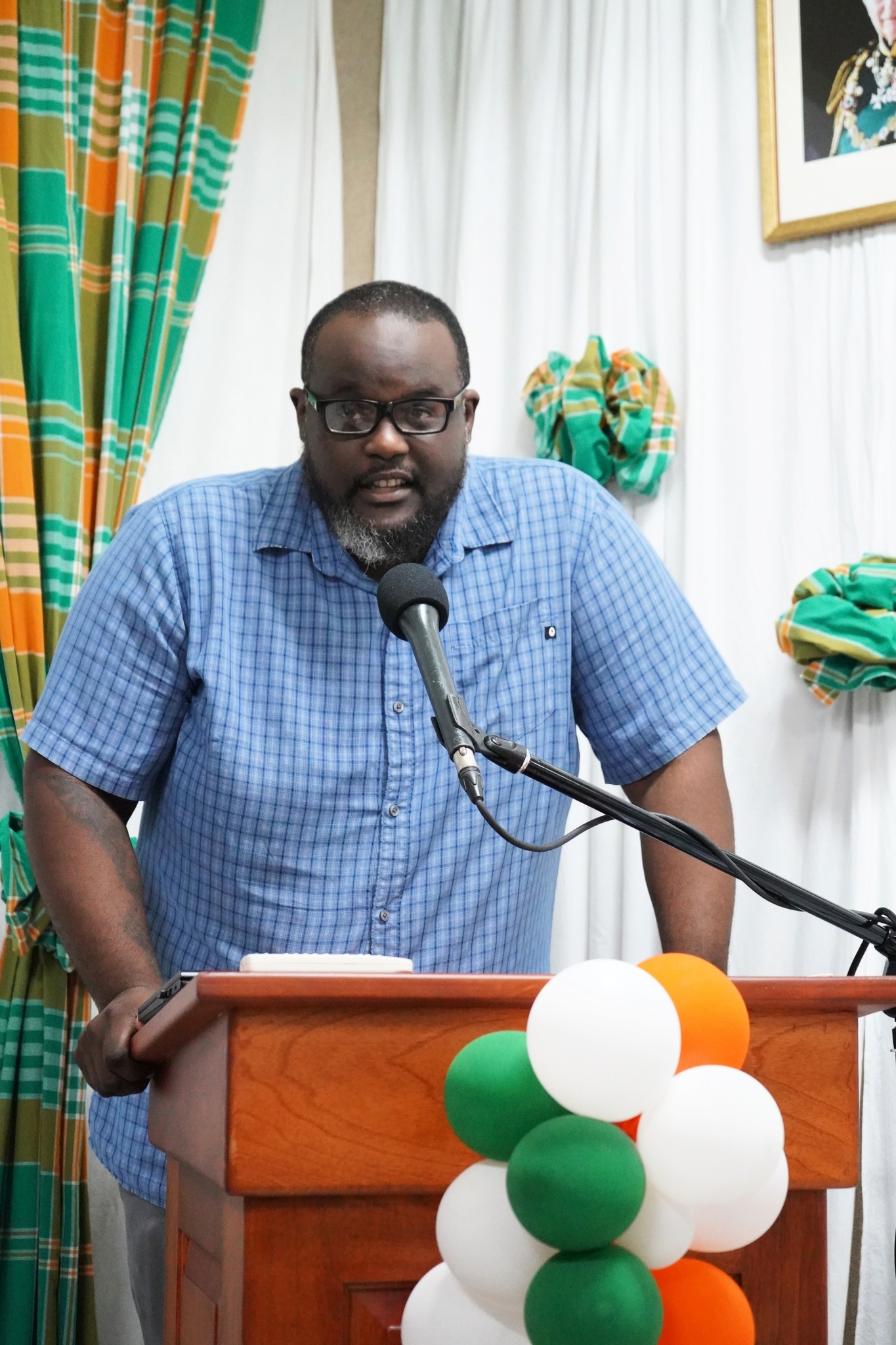
Principal Environmental Officer Garrett Stanley of the Ministry of Health and Social Services outlined its hurricane preparedness measures during the Annual Hurricane Conference hosted by the Disaster Management Coordination Agency (DMCA), providing a rare look at how the island’s healthcare system would operate during a severe weather emergency.
The planning covers everything from community clinics and hospital operations to care for vulnerable residents and emergency shelter inspections.
Looking After the Most Vulnerable
One of the ministry’s first priorities during hurricane season is identifying and supporting vulnerable residents who may need assistance before, during or after a storm.
Through the Social Services Department, officials maintain and update records of elderly residents, people living with disabilities and other individuals who may require additional support during emergencies.
The department also works closely with operators of the Lookout Warden Assisted Living Facility to ensure residents are protected and that contingency measures are in place should conditions deteriorate.
Health officials say these assessments begin well before any storm threatens the island.
Clinics Equipped With Backup Power
Maintaining access to healthcare during power outages remains a key concern during hurricane season.
To address this, generators have been installed or are being commissioned at healthcare facilities across the island, including community clinics.
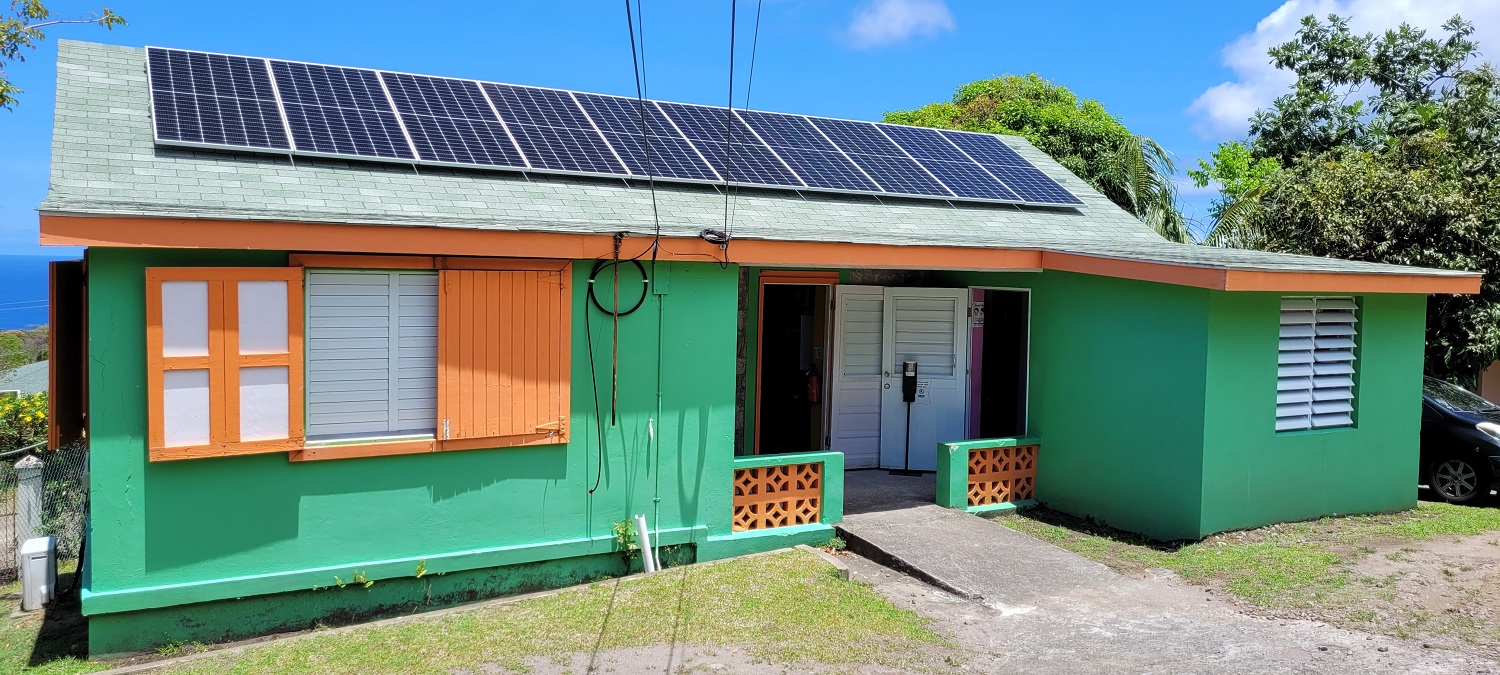
Additional resilience comes from solar energy systems already operating at several locations, including the Salem Health Centre, St Peter’s Clinic and the Dental Clinic.
The upgrades are intended to ensure that essential healthcare services can continue even if the island experiences prolonged power disruptions.
Medicine and Medical Supplies Pre-Positioned
One of the lessons learned from previous emergencies is that damaged roads and flooding can sometimes limit movement around the island.
To reduce that risk, medical supplies, medication and testing materials can be distributed to clinics ahead of a storm.
This means residents may be able to access essential healthcare services closer to home even if travel to Glendon Hospital becomes difficult.
The ministry also has plans to deploy doctors and nurses to locations nearest to where they live if transportation routes become blocked following a storm.
What Happens to the Hospital During a Hurricane?
Perhaps the most significant aspect of the health ministry’s preparedness plan involves operations at Glendon Hospital.
Because the hospital currently operates from buildings that were not originally designed as a hospital facility, special arrangements have been developed for severe weather events.
For storms up to Category 2 strength, services would be consolidated into the hospital ward building, which provides greater protection.
For stronger storms, particularly Category 3 hurricanes and above, plans call for the relocation of critical patients and services to the Lookout Auditorium.
The relocation process would be supported by emergency personnel, including the Royal Montserrat Defence Force.
Officials noted that many patients who can safely return home would be discharged before a major storm, allowing healthcare teams to focus resources on those requiring ongoing medical care.
Planning for Every Scenario
While emergency planning often focuses on rescue operations and storm damage, Stanley said say preparedness must account for every possibility.
This includes arrangements for sanitation at emergency shelters, disease prevention measures, food safety inspections and public health monitoring after storms.
Environmental Health officers are responsible for inspecting shelters, assessing sanitation conditions and ensuring food remains safe for consumption if refrigeration systems fail due to power outages.
The ministry also maintains contingency plans for mass casualty incidents and other worst-case scenarios.
A New Hospital on the Horizon
Many of the challenges facing healthcare during hurricanes stem from the limitations of the island’s existing hospital infrastructure.
However, officials say the construction of the new national hospital will significantly improve resilience and emergency response capabilities in the future.
The modern facility is expected to provide stronger hurricane resistance, improved backup systems and purpose-built healthcare infrastructure designed to operate during emergencies.
Until then, detailed planning remains essential.
As another hurricane season begins, health officials say the public can take comfort in knowing that preparations extend far beyond securing buildings and protecting equipment.
The ultimate goal is ensuring that no matter what the weather brings, healthcare remains available when people need it most.
Discover more from Discover Montserrat
Subscribe to get the latest posts sent to your email.