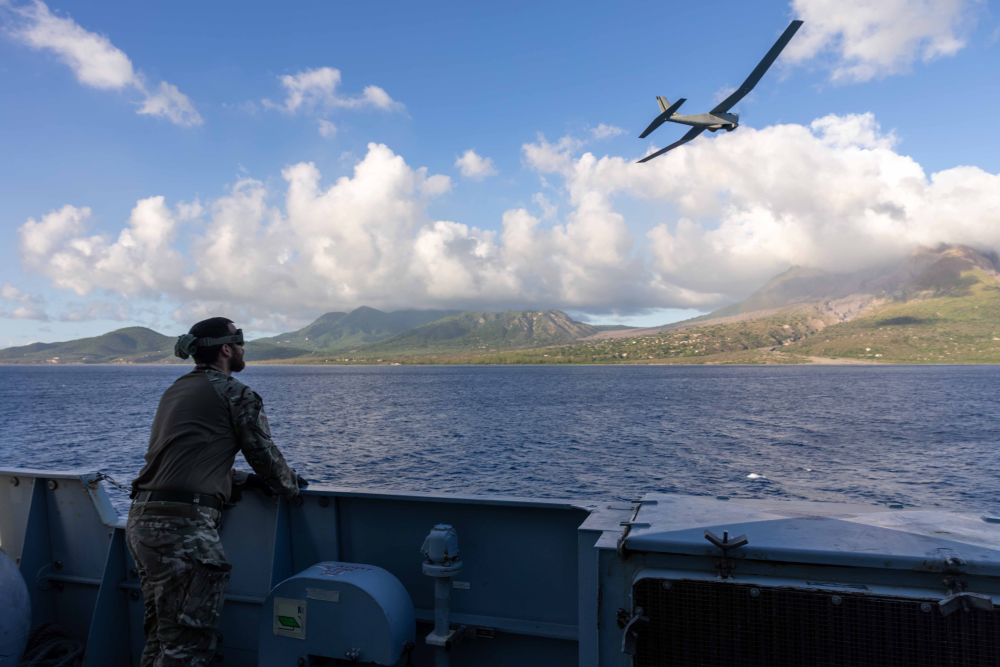
As Montserrat enters the 2026 Atlantic Hurricane Season, government officials are using the start of the season to highlight a broader challenge facing the island: ensuring a reliable food supply in the face of storms, shipping disruptions and rising import costs.
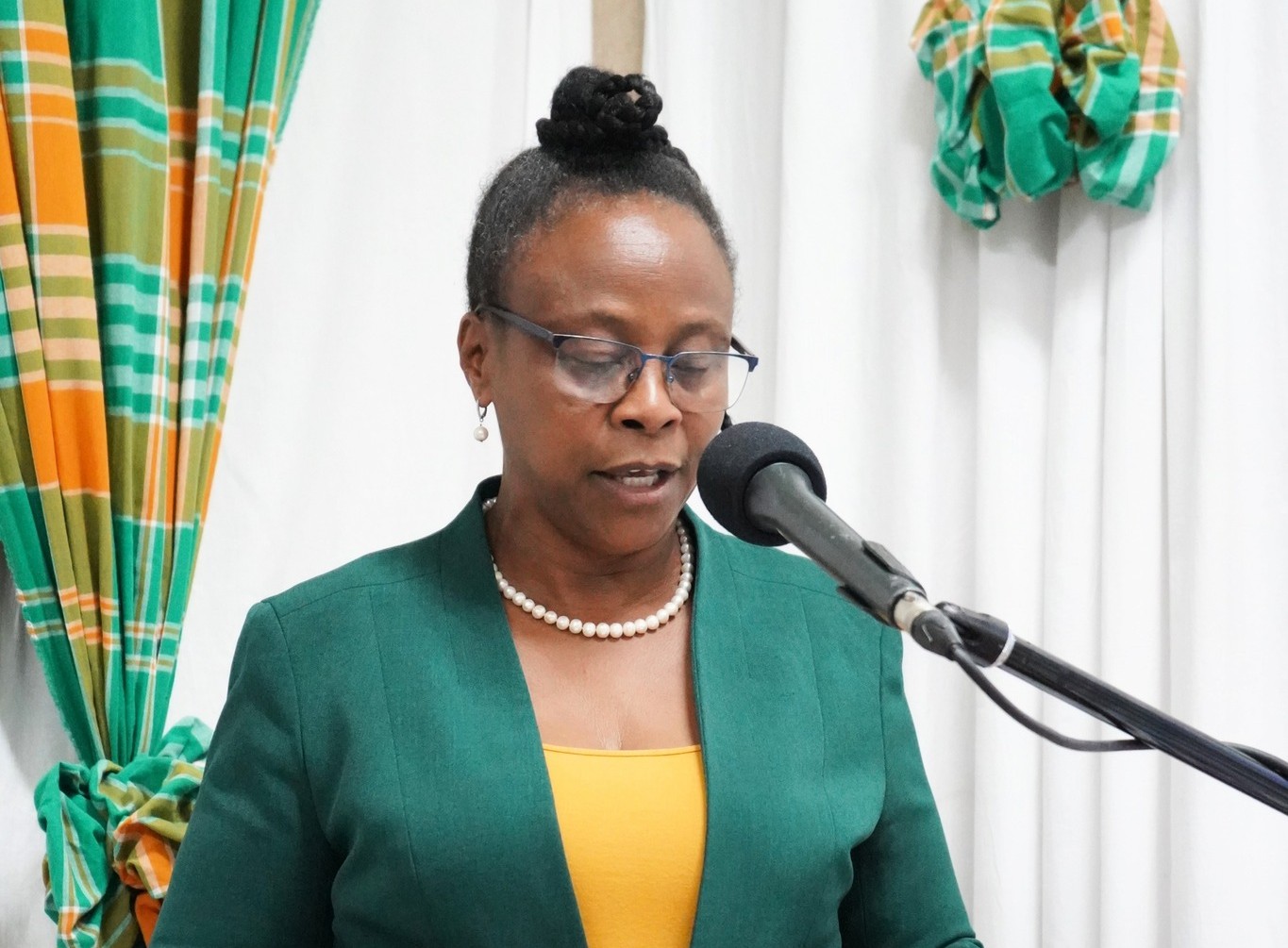
Speaking at the Annual Hurricane Conference hosted by the Disaster Management Coordination Agency (DMCA), Permanent Secretary in the Ministry of Agriculture, Lands, Housing, Environment, Youth Affairs and Sports, Mrs Daphne Cassell, outlined both the progress made and the vulnerabilities that remain within the island’s agricultural and fisheries sectors.
While hurricanes can damage homes and infrastructure, they can also interrupt shipping and affect the availability of imported food. For an island that imports much of what it consumes, food security remains a critical component of national preparedness.
Building Local Food Production
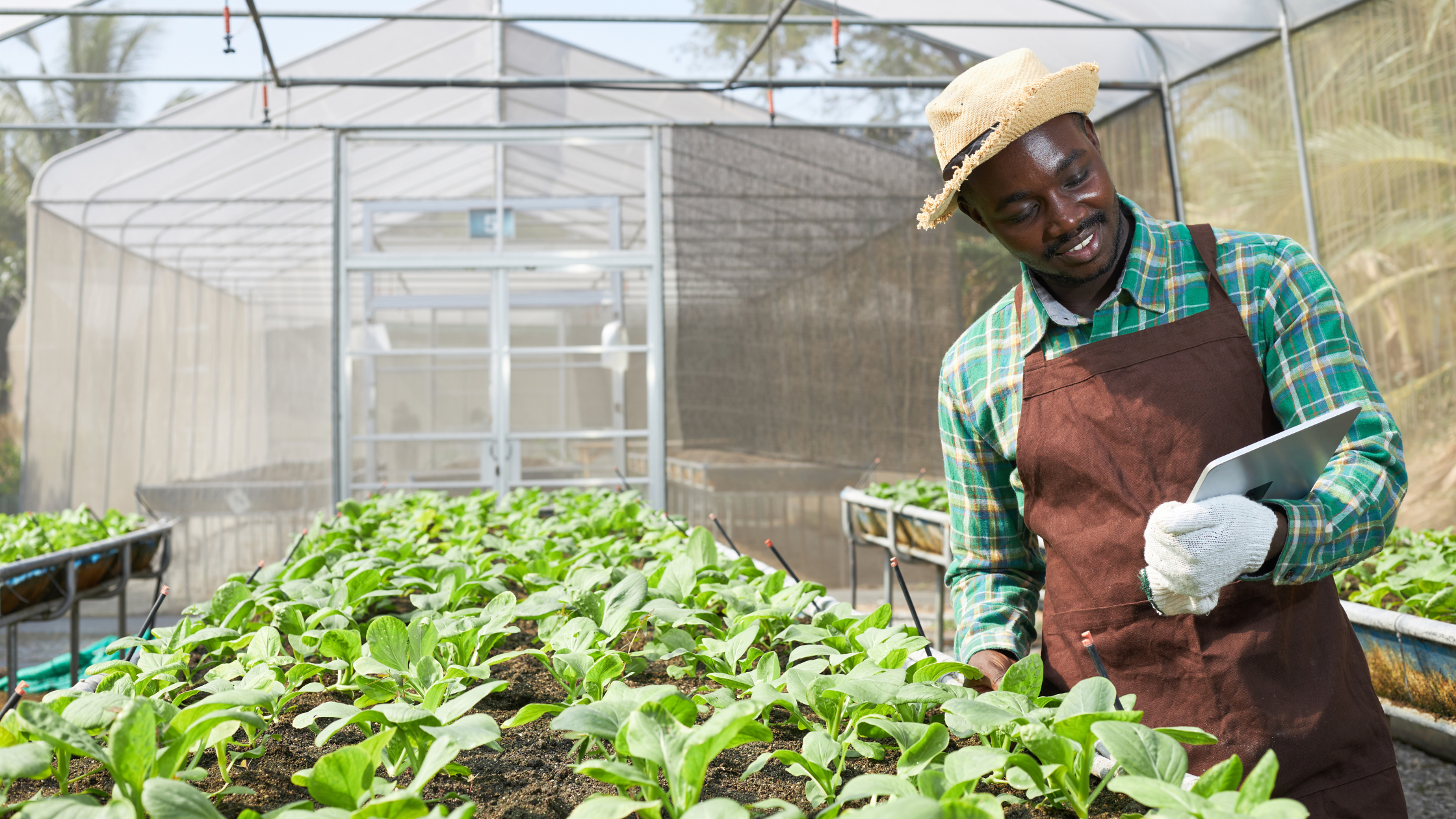
Mrs Cassell reported that more than 20 acres are currently under cultivation across farming areas at Blake’s, Duck Pond and Waterworks.
Farmers are producing a variety of crops including bananas, plantains, sweet potatoes, corn, eggplant and other vegetables that contribute to local food supplies.
The Ministry of Agriculture continues to encourage increased local food production as a means of reducing reliance on imported goods and improving resilience during emergencies.
“Food security” has become an increasingly important issue throughout the Caribbean in recent years as rising shipping costs, inflation and global supply chain disruptions have pushed up food prices and highlighted the vulnerability of import-dependent islands.
Storms Can Affect Both Imports and Local Production
While local agriculture can help strengthen resilience, the sector remains vulnerable to severe weather.
Mrs Cassell noted that banana and plantain crops are particularly susceptible to strong winds and waterlogged soils, while heavy rainfall can damage other crops and delay harvesting activities.
To support faster recovery after storms, the ministry is examining ways to strengthen clean-up and restoration efforts, particularly in key crop-producing areas.
Officials believe that rapid intervention following a storm can significantly reduce long-term losses and help restore production more quickly.
Challenges in Livestock Production
The livestock sector faces its own set of challenges.
Damage to housing facilities, flooding and interruptions to feed supplies can affect production levels following a hurricane.
One of the vulnerabilities identified by the ministry is the continued dependence on imported feed for livestock and poultry operations.
Should shipping be disrupted for an extended period, farmers could face challenges maintaining adequate feed supplies for animals.
Mrs Cassell said greater attention may need to be given to alternative local feed sources and strengthening contingency arrangements within the sector.
Protecting the Fishing Industry
Fishing remains another important component of local food production.
According to figures presented by the ministry, Montserrat currently has approximately 125 active fishers and 37 active fishing vessels operating primarily from Little Bay.
The fleet represents an estimated replacement value of EC$2.8 million.
The Fisheries Division continues to work closely with fishers ahead of tropical storms and hurricanes, assisting with the removal and securing of vessels before severe weather arrives.
However, officials noted that the sector remains vulnerable to damage at landing sites as well as interruptions to fuel supplies and ice production following major storms.
More Than Growing Food
Food security is about more than simply producing food.
Storage, transportation and distribution also play a major role in ensuring supplies remain available during emergencies.
One concern highlighted during the conference was the island’s limited dry and cold storage capacity.
Additional storage facilities would help farmers preserve crops, reduce post-harvest losses and improve food availability following disruptions caused by storms or shipping delays.
The issue becomes particularly important when farmers need to harvest crops quickly ahead of an approaching weather system.
A Matter of National Resilience
The discussion comes at a time when many residents continue to feel the impact of high food prices and the cost of imported goods.
As hurricane season begins, officials say food security must be viewed as part of the island’s broader disaster preparedness strategy.
While no island can completely eliminate its reliance on imports, strengthening local agriculture, supporting fishers and investing in food storage infrastructure can help reduce vulnerability during emergencies.
The hurricane season may officially run from June to November, but the conversation about food security extends far beyond six months of the year.
For Montserrat, the question is not only whether the island is prepared for a storm, but how well it can continue feeding its people if supply chains are disrupted when one arrives.
Discover more from Discover Montserrat
Subscribe to get the latest posts sent to your email.