
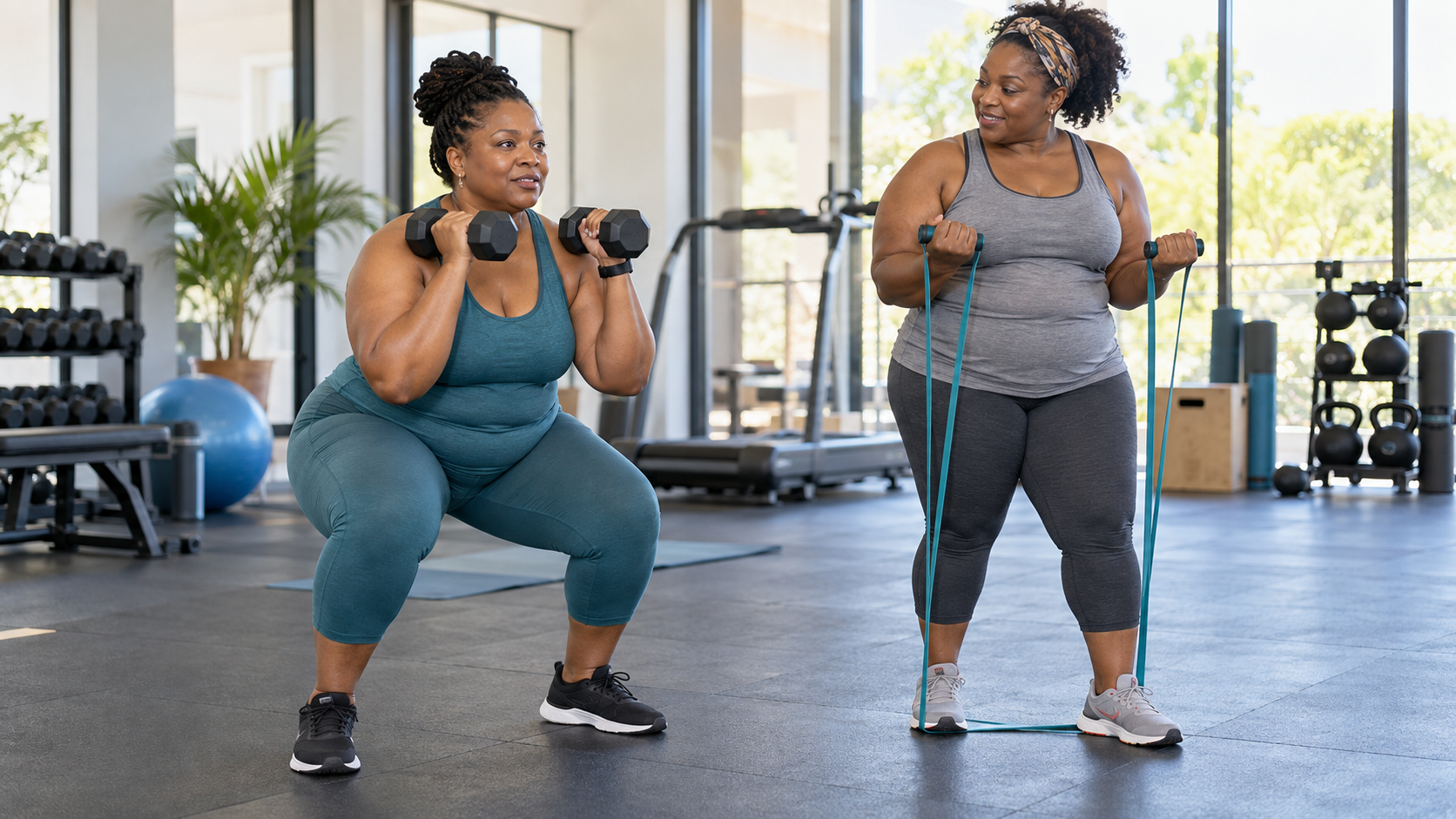
Regular gym sessions can improve health and reduce harmful abdominal fat, even when the scales barely move. But for women navigating perimenopause, poor sleep and daily stress, exercise is only one part of the solution.
It is the end of September and two friends are comparing notes after another evening at the gym.
Both are professional women in their mid-40s. They have children at home, demanding jobs and calendars that leave little room for themselves. At the beginning of the year, they made the same resolution: exercise more, lose weight and get their health back on track.
They have kept up the gym visits more consistently than either expected. Yet the weight they intended to lose has not disappeared. Their clothes feel tighter around the waist and the scales seem determined to ignore their efforts.
Meanwhile, perimenopause has entered the picture. Sleep is less reliable. Hot flushes, fatigue, irritability and changes in their menstrual cycles are becoming harder to dismiss.
Financial pressure, relationship concerns, parenting and heavy workloads are part of everyday life. Healthy living can begin to feel like one more responsibility they are failing to manage.
But their problem may not be a lack of effort.
Exercise is essential for good health and can help reduce visceral fat. However, it cannot always compensate for disrupted sleep, changing hormones, chronic stress, declining muscle mass or consistently consuming more energy than the body needs.
The fat you cannot pinch
Not all abdominal fat is the same.
Subcutaneous fat sits beneath the skin and is the softer fat that can be pinched. Visceral fat is stored deeper inside the abdomen, surrounding organs including the liver and intestines.
A certain amount is normal, but excess visceral fat is associated with insulin resistance, type 2 diabetes, high blood pressure, cardiovascular disease and other metabolic problems.
This means waist size and changes in body composition can sometimes reveal more about health risk than weight alone. A woman can remain at roughly the same weight while losing muscle and gaining abdominal fat. The number on the scale may not change dramatically, but what is happening inside her body may have changed.
The American College of Obstetricians and Gynecologists warns that “extra fat in the abdomen is a greater health risk than extra fat in the hips and thighs”.

Exercise is working, even when the scales say otherwise
The idea that gym sessions have been wasted if they do not produce immediate weight loss is wrong.
A systematic review involving 117 studies found that both exercise and a calorie-reduced diet reduced visceral fat. Diet produced greater overall weight loss, but exercise appeared to have a particularly valuable effect on visceral fat. Participants who exercised reduced visceral fat even when they did not lose weight.
Exercise can also improve cardiovascular fitness, blood pressure, insulin sensitivity, strength, mobility and mental wellbeing.
Strength training is especially important during midlife because muscle mass tends to decline with age. Muscle requires energy to maintain, so losing it can reduce the number of calories the body uses.
The gym may therefore be improving health even if it has not delivered the expected transformation on the scales.
The problem is expecting exercise to do the entire job.
The maths still matters
Weight gain is not caused by sugar alone. The body stores energy it does not use, whether those excess calories come from sugary foods, large portions, fried foods, alcohol, cooking oils, snacks or seemingly healthy meals eaten in quantities beyond the body’s needs.
The World Health Organization describes obesity as a complex condition influenced by environmental, psychosocial and genetic factors. At its most basic level, however, weight increases when energy intake repeatedly exceeds energy expenditure.
The organisation also cautions against treating weight entirely as a matter of personal failure, stating: “Obesity is a societal rather than an individual responsibility.”
This is where regular gym-goers can become frustrated. A workout may use fewer calories than expected, while a post-workout drink, oversized meal or weekend of relaxed eating can replace that energy quickly.
Exercise can support fat loss, but it does not automatically create the sustained energy deficit needed for significant weight loss.
That does not mean surviving on salads or removing every carbohydrate. It means looking honestly at portions, drinks, cooking methods, snacks and the frequency of calorie-dense foods.
Protein, vegetables, fruit, beans, lentils and whole grains can help women feel satisfied while supplying important nutrients. Sugary drinks, alcohol, pastries, fried foods and heavily processed snacks are easier to overconsume without feeling full.

Perimenopause changes the equation
For many women, changes around the waist become noticeable during their 40s, sometimes despite maintaining familiar eating and exercise habits.
The NHS states: “Weight gain during perimenopause and menopause is common. It often happens around the stomach and upper bo
Hormonal changes can influence where fat is stored, but hormones are not the only factor. Women may also be moving less, losing muscle and sleeping poorly as they get older.
Night sweats and other symptoms can interrupt sleep. Tiredness can then affect appetite, food choices, motivation and the energy available for exercise.
Hormone replacement therapy, or HRT, should not be presented as a slimming treatment. The American College of Obstetricians and Gynecologists is clear that “hormone therapy by itself won’t lead to weight loss”. However, treatment may relieve night sweats and improve sleep, indirectly making weight management easier for some women.
Women experiencing possible perimenopause symptoms should speak with a qualified healthcare professional rather than assuming they must simply tolerate them.
Stress is part of the picture, but cortisol is not the whole story
Social media often reduces abdominal weight gain to one phrase: cortisol belly.
The reality is more complicated.
Cortisol is a hormone involved in the body’s response to stress. Persistently elevated stress may influence appetite, sleep, blood glucose regulation and fat distribution. But it is rarely possible to blame one hormone for an expanding waistline.
Stress also changes behaviour.
A woman working late may rely on takeaways, skip meals and overeat later, drink alcohol to unwind or sleep for only five hours. Financial and relationship difficulties can make planning meals and exercising consistently harder.
This is not a failure of discipline. It is evidence that weight management takes place within a real life, not inside a laboratory.
Managing stress will not melt visceral fat on its own. However, reducing unnecessary demands, seeking emotional support and making sleep a health priority can remove some of the conditions that contribute to weight gain.
A more effective strategy
Women trying to reduce visceral fat should continue exercising, but broaden the plan beyond gym attendance.
A sustainable approach may include:
– At least 150 minutes of moderate-intensity activity each week, including brisk walking, cycling, swimming or similar exercise.
– Strength or resistance training at least twice weekly to preserve and build muscle.
– More movement outside the gym, particularly for those who spend most of the working day sitting.
– Meals centred on protein, fibre-rich carbohydrates and vegetables.
– Smaller portions of calorie-dense foods rather than an unnecessarily restrictive diet.
– Less alcohol and fewer sugar-sweetened drinks.
– A consistent sleep routine and medical support for disruptive perimenopause symptoms.
– Regular waist measurements alongside weight, fitness, blood pressure and how clothes fit.
– A health check when progress remains difficult, particularly if there is a family history of diabetes, high blood pressure or cardiovascular disease.
The NHS recommends that women going through perimenopause or menopause “try to get plenty of rest”, eat a healthy, balanced diet and exercise regularly, with an emphasis on weight-bearing activity and strength.

Look beyond the number
Back at the gym, the two friends may need to change the way they judge progress.
One may have become stronger and reduced some visceral fat without seeing a major difference on the scales. The other may be exercising consistently but still eating enough to maintain her current weight. Both may need more sleep, a different training programme or help managing perimenopause symptoms.
The answer is not necessarily more punishing workouts. It is a coordinated approach that includes movement, strength, nutrition, sleep, stress management and appropriate healthcare.
Discover more from Discover Montserrat
Subscribe to get the latest posts sent to your email.

