Montserrat’s surrounding seas, already recognised as rich habitat for whales and dolphins, are set to be studied in greater depth under a new conservation and research initiative aimed at strengthening biodiversity data and public awareness.
The project, Montserrat Cetaceans 2.0: Mega-fauna Biodiversity Data Collection and Awareness Programmes, is being implemented by Island Solutions Incorporated and funded through the Darwin Plus Local scheme, with a value of £49,380. The programme runs from October 1, 2025 to September 30, 2026.
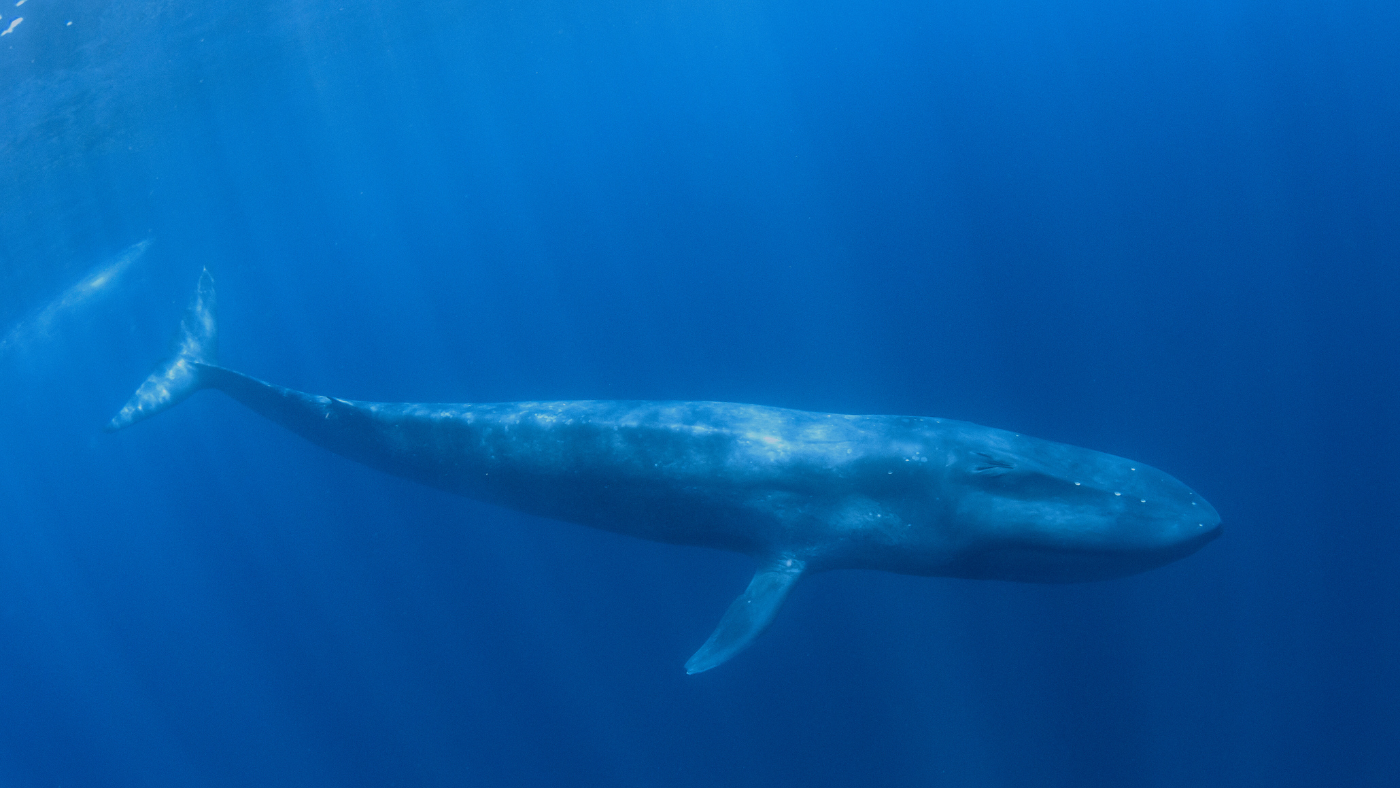
Building on earlier Darwin Plus work, the project will expand acoustic monitoring of cetaceans (whales and dolphins) found in or migrating through Montserrat’s territorial waters. Particular attention will be given to deep-water species such as the sperm whale, one of the most ecologically important marine mammals in the region.
Montserrat’s waters are known to host a diverse range of cetaceans, including pantropical spotted dolphins, pilot whales, minke whales, orcas and migrating humpback whales. These species are key indicators of marine ecosystem health, yet limited interaction and the challenges of offshore monitoring mean that many island nations still know relatively little about the animals living just beyond their coastlines.
Under Cetaceans 2.0, an existing hydrophone network will be reconfigured to extend monitoring into deeper waters between 100 and 500 metres, generating 240 days of new deep-water acoustic data. A further 240 days of shallow-water recordings will focus on migratory species, particularly humpback whales. The data collected will be analysed using AI-supported systems, guided by collaboration with the NOAA Passive Acoustic Research Group.
The project is being delivered in collaboration with the Government of Montserrat – MALHE, through its Departments of Environment and Agriculture, and will contribute directly to national and regional biodiversity databases. The systems and processes developed are designed to be affordable and transferable, with the potential for use across other UK Overseas Territories.
Community engagement is a central pillar of the initiative. Alongside scientific monitoring, the programme will work with local artists and youth groups to create six permanent marine mega-fauna statues for public display around the island. These installations, combined with outreach events, hydrophone demonstrations, drone survey showcases and an educational poster on marine mega-fauna, aim to build public understanding and pride in Montserrat’s marine biodiversity.
Processed data from the project will be shared with the Government of Montserrat as well as regional and international cetacean research organisations, supporting evidence-based policy decisions on marine spatial planning, coastal development and species protection. The information gathered will also help track changes in migration patterns linked to climate change and human activity.
Island Solutions has indicated that long-term sustainability will be supported through community-driven fundraising initiatives, education programmes and future revenue-generating cetacean engagement activities, ensuring that monitoring and awareness efforts continue beyond the project’s end.
The project is listed as Darwin Plus Local Reference DPL00144, Round 5, and represents a significant step forward in understanding and protecting one of Montserrat’s most valuable yet least visible natural assets, its marine mega-fauna.
Discover more from Discover Montserrat
Subscribe to get the latest posts sent to your email.