In the midst of the uncertainty, trauma and upheaval caused by the start of volcanic activity in Montserrat in 1995, one remarkable regional initiative offered a lifeline, not for homes or businesses, but for the island’s children. Dubbed the “Stress Buster” trips, this series of Caribbean outreach programmes gave hundreds of young Montserratians a chance to breathe again, if only for a few weeks, and sparked lifelong bonds that still endure nearly 30 years later.
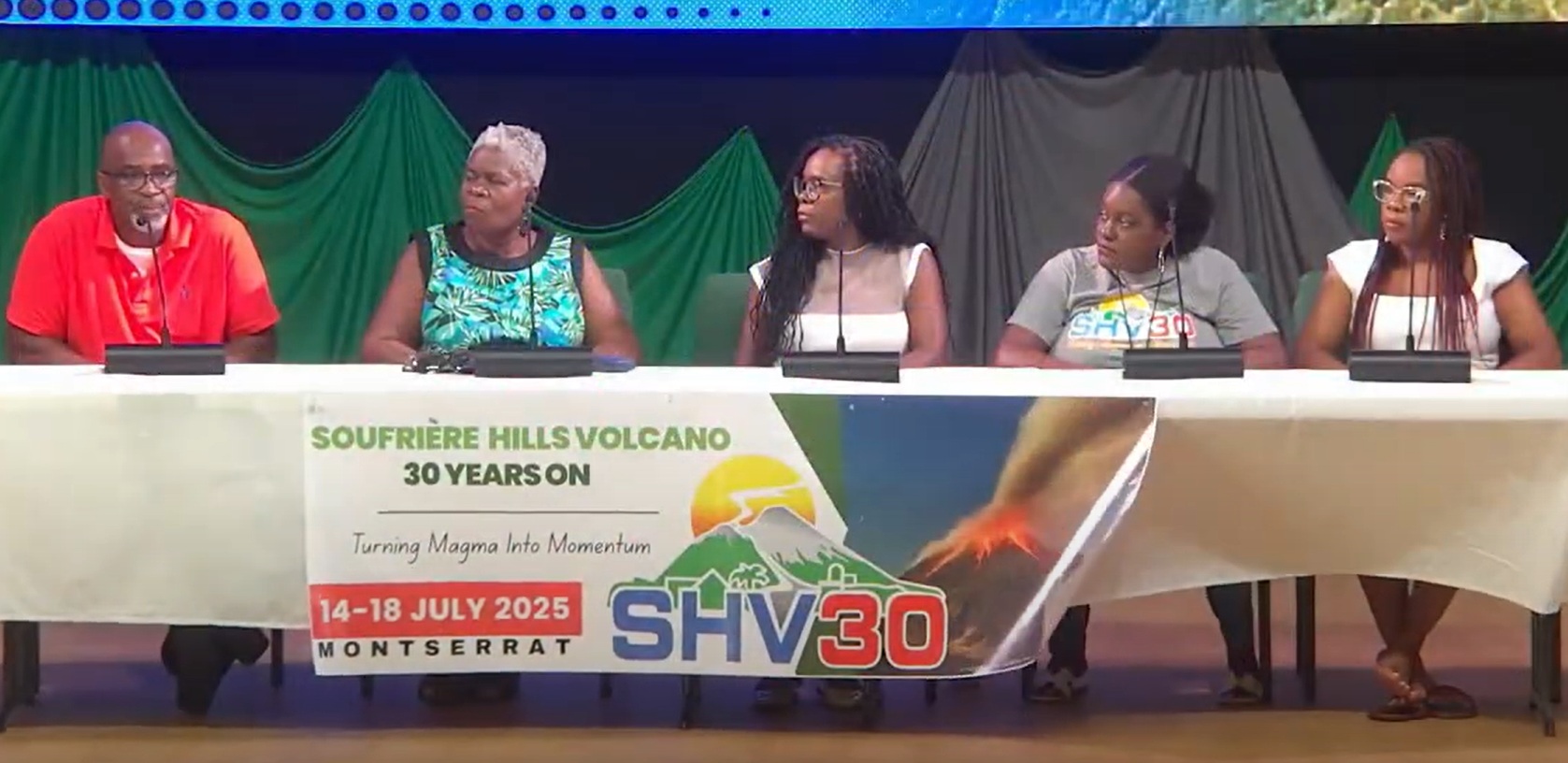
At the SHV30 conference, a dedicated panel revisited the impact of those early interventions. The initiative was spearheaded by the Montserrat Red Cross with support from regional governments, churches, and everyday Caribbean families who opened their homes and hearts. Over 453 children were sent abroad under the programme, with destinations including Jamaica, Barbados, St Kitts, Cayman Islands, Antigua, Cuba, and the British Virgin Islands (BVI).
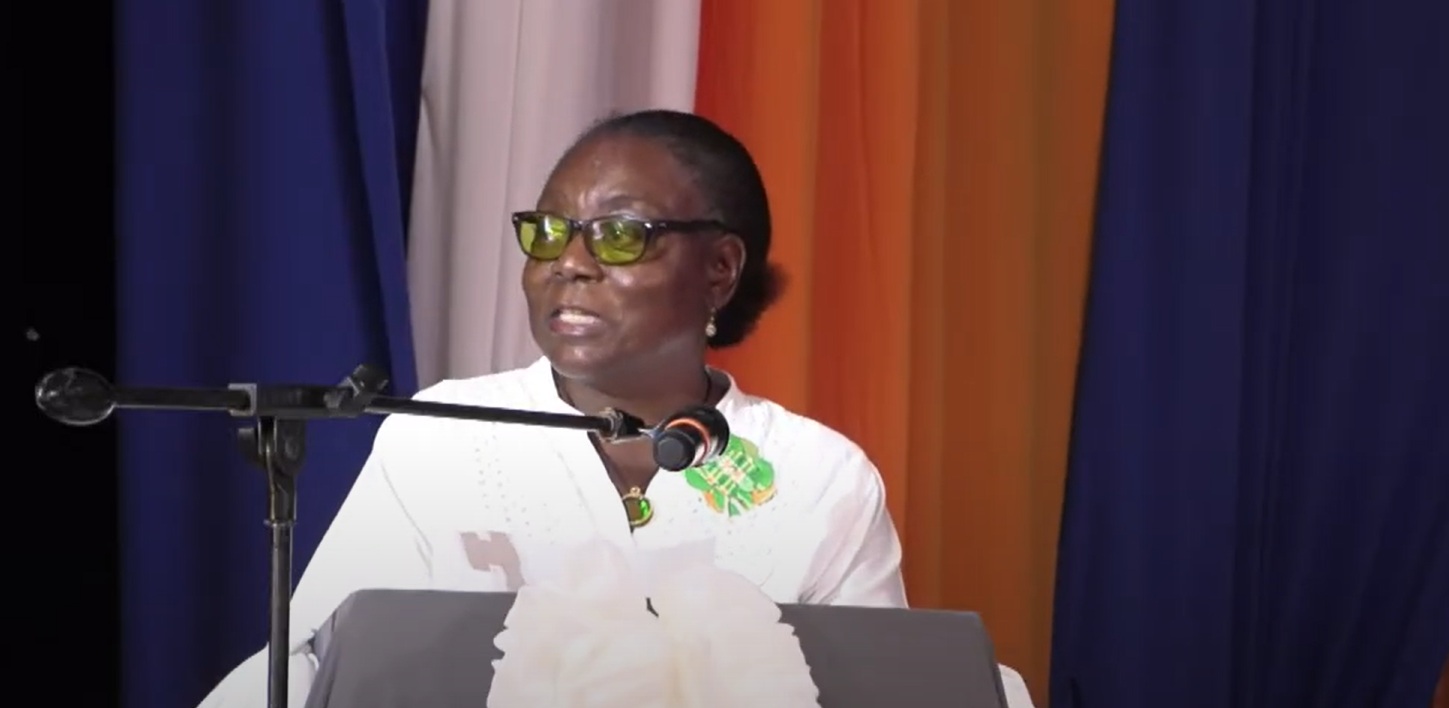
While each trip was unique, one in particular stood out, a Christmas-time journey to the BVI and St Thomas, made possible by the vision and persistence of Dr Carol Turnbull-Hopkins, then a resident of Tortola. She mobilised her church, women’s group, and wider community to offer a reprieve for children caught in the chaos of ongoing eruptions.
A Welcome Escape
“Instead of five children, we ended up sending 145,” recalled Lystra Osborne, then director of the Montserrat Red Cross. “Families volunteered in droves. Some took in one child, others took two or three. We even had people upset that they weren’t selected to host.”
For the children, many of whom had never left Montserrat before, the experiences were transformative. From mall shopping to sightseeing, from Christmas parties hosted by Rotary Clubs to beach days in St Thomas, the activities were a sharp and healing contrast to the ash, displacement, and daily uncertainty back home.
Dr Judith Baker, one of the chaperones on the BVI trip, described the offer of relief as “highly commendable and unforgettable.” The children were treated to activities designed to distract and delight, including a ferry ride to St Thomas and shopping sprees that introduced many to their first mall experience.
“Most of the children had never experienced anything like it,” Baker shared. “The hand of friendship extended to them in one of Montserrat’s darkest hours will always be remembered.”
From Strangers to Family
That kindness didn’t end when the trips were over. Some host families stayed in contact with their guests for decades. In several cases, the children returned to complete their education and, in a few instances, even resettled permanently in the host countries.
“My daughter went to the BVI for that first trip,” said one parent. “Today, she’s back there working at the hospital as a medical technologist. It came full circle.”
Other children described how the experience left a lasting impression that shaped their adult lives. Christopher Fenton, now living in the UK, vividly recalled the warmth of his hosts, the incredible cooking, and even seeing Air Force One during a chance encounter with President Bill Clinton’s motorcade while in St Thomas.
“I didn’t eat Christmas cake before that,” he joked. “But that one… it was different. That lady could bake.”
Gratitude and Grief
While the overall experience was overwhelmingly positive, it was not without its emotional weight. One chaperone, Mr. Joseph Morgan, tragically passed away while on one of the trips, a sombre reminder of the risks and realities still unfolding in that volatile period.
Parents spoke openly at SHV30 about their mixed emotions, torn between fear and hope. For some, the decision to let their children go was agonising.
“We were on an emotional roller coaster,” said Pamela, a mother who sent her daughter and other relatives to several islands. “We didn’t know what the volcano was going to do next. But I said to myself, they’re young, they deserve to live life.”
A Model Worth Replicating
As Montserrat and other Caribbean territories face increasing climate-related threats and displacement risks, several speakers questioned whether such a model of regional solidarity could be replicated today.
“What made it work back then,” said Thiffanie Williams, who was just six when she was sent on one of the trips, “was trust, trust in community, in leadership, and in the shared understanding that we needed to care for each other.”
The question now, three decades later, is whether Caribbean governments and communities can once again rise to that standard of mutual aid not just for disaster recovery, but for the wellbeing of their youngest and most vulnerable.
“Disasters bring out the good, the bad and the ugly,” one presenter noted. “This project reminded us that the absolute best of humanity can still prevail.”
Sidebar: Where They Went in 1996
August: 45 children to Jamaica
Christmas: 145 children to BVI (Tortola and Virgin Gorda) and St Thomas, 25 to Antigua
Following August 1997: 50 each to Barbados, St Kitts, Cuba; 20 to Jamaica; 10 to Bonaire
Lasting Impact
Many former participants are still in touch with their host families. Some completed school abroad. One became a designer, another a healthcare worker, and several noted the trips as defining life moments.
Listen to the full interview here https://montserratradioecho.wordpress.com/2025/07/18/friday-july-18-2025-soufriere-hills-volcano-shv30-conference-day-5/
Discover more from Discover Montserrat
Subscribe to get the latest posts sent to your email.