
Summer in Montserrat unfolds beneath the watchful presence of the Soufrière Hills Volcano. The sea is often at its calmest, mango trees hang heavy with fruit, sea turtles return to nest on quiet beaches, and communities across the island prepare for another season of festivals and celebrations.
For travellers looking for a laid back Caribbean holiday, summer offers an opportunity to experience a destination where nature, culture, and history remain deeply connected. From kayaking along a volcanic coastline to learning about traditional medicinal plants, enjoying fresh tropical fruit, or dancing at a beach fete, Montserrat offers its own unique version of Caribbean life.
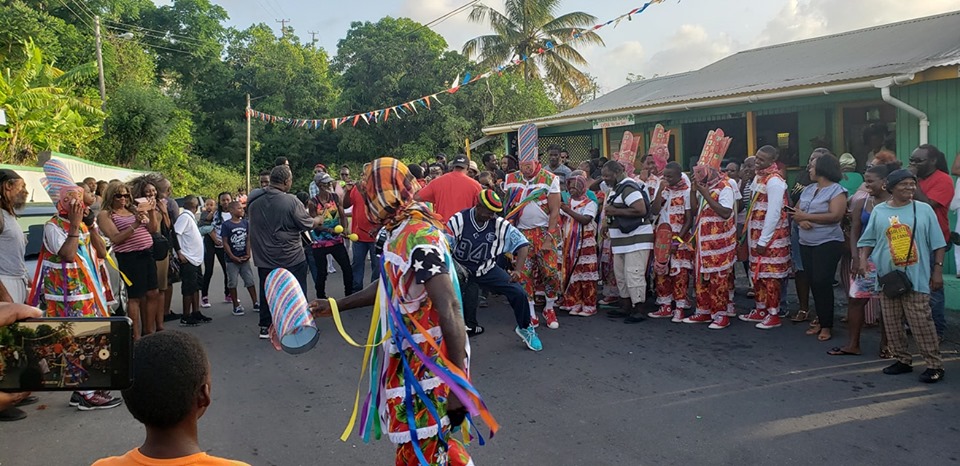
Montserrat’s Calabash Festival
The summer calendar gets underway with the Montserrat Calabash Festival 2026, taking place from July 18 to 26, 2026.
The week-long celebration showcases the island’s creativity, heritage, food, music, entrepreneurship, and community spirit through a range of events and experiences.
The festival opens with Calasplash, a popular beach fete that brings together multiple generations for a day of music, food, dancing, and celebration by the sea. Local and regional DJs share the stage with live performers, creating an atmosphere that combines beach culture with festival energy.
The celebrations continue throughout the week before culminating with PRIME 2026, which takes place from July 24 to 26. The event attracts entrepreneurs, business leaders, innovators, and creatives from across the island for shopping, networking, and collaboration. PRIME is the ideal event to collect locally made crafts, sample tasty delights, and learn about the culture.
At the end of the month, the focus shifts to the annual Cudjoe Head Day Festival, scheduled for July 31 and August 1. The street festival transforms Cudjoe Head village into a hub of music, food, and entertainment, drawing residents and visitors from across the island. Located along the main road linking the north and south of Montserrat, the event offers a lively community atmosphere and a chance to experience local culture firsthand.
The celebrations is always the lead up to Emancipation Day, observed on the first Monday in August, making it an especially meaningful time to visit.
Calm Seas and Coastal Adventures
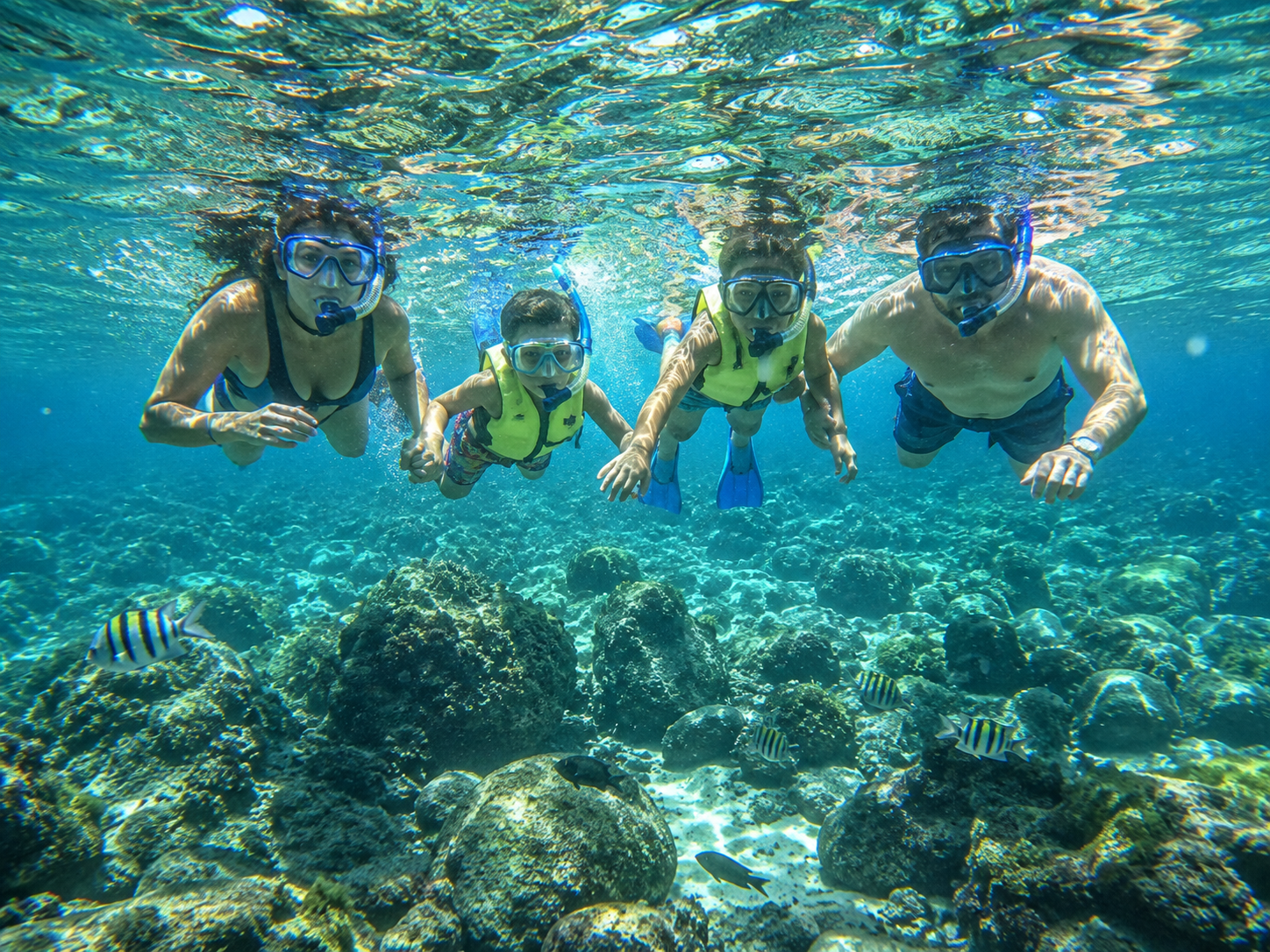
Summer is one of the best seasons to enjoy Montserrat’s coastline.
The Caribbean Sea is often calmer during the summer months, creating favourable conditions for swimming, snorkelling, kayaking, paddleboarding, and boat excursions.
Exploring the island by boat is one of the most memorable ways to experience Montserrat. Tours along the coastline provide dramatic views of cliffs, black-sand beaches, and the volcanic landscape. They also offer visitors a rare opportunity to see the exclusion zone and the villages that were abandoned following volcanic activity in the 1990s.
From the water, visitors gain a unique perspective on both the power of the volcano and the determination of the people who rebuilt their lives elsewhere on the island.
Those exploring beaches and tide pools should be mindful of sea urchins, which are commonly found among the rocks. Water shoes and careful footing are recommended.
Turtle Watching Season
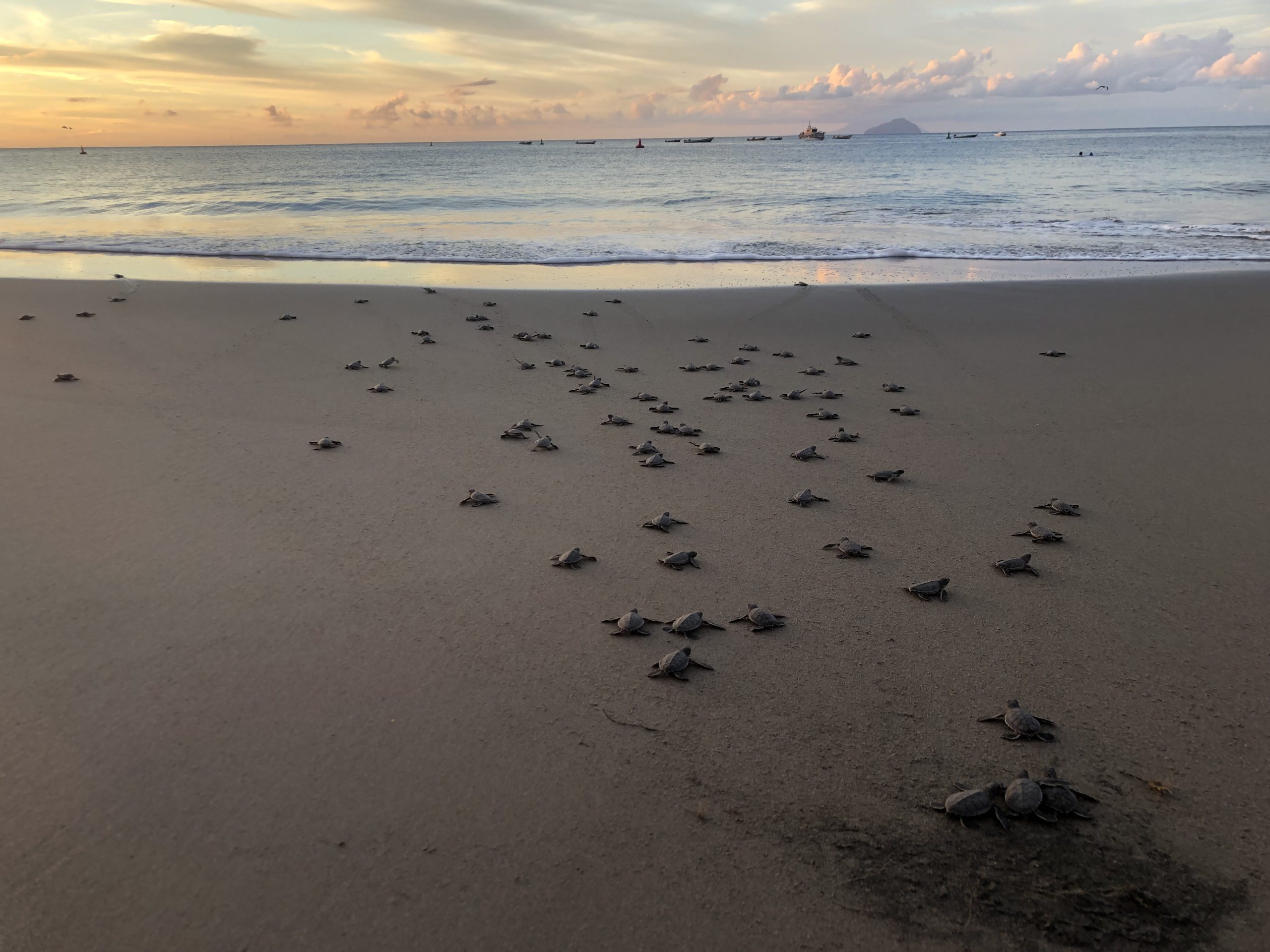
Summer falls within Montserrat’s turtle nesting season, which runs from June through October.
Several species of sea turtles return to the island’s beaches during this period to nest, offering visitors a chance to witness one of nature’s most remarkable cycles.
Anyone hoping to observe nesting turtles should do so responsibly by avoiding flash photography, maintaining a respectful distance, and following local guidance. Visitors are encouraged to read local turtle-watching guidelines before visiting nesting beaches.
Explore Montserrat’s Botanical Heritage
Summer is also an excellent time to visit the Montserrat National Trust Botanical Gardens.
The gardens showcase a variety of native and introduced plant species while highlighting the island’s rich tradition of using medicinal plants and natural remedies. Visitors can learn how generations of Montserratians have used local plants for teas, treatments, and wellness practices while enjoying a peaceful setting surrounded by tropical greenery.
Mangoes, Gineps and Seasonal Flavours
For many visitors, summer is also fruit season.
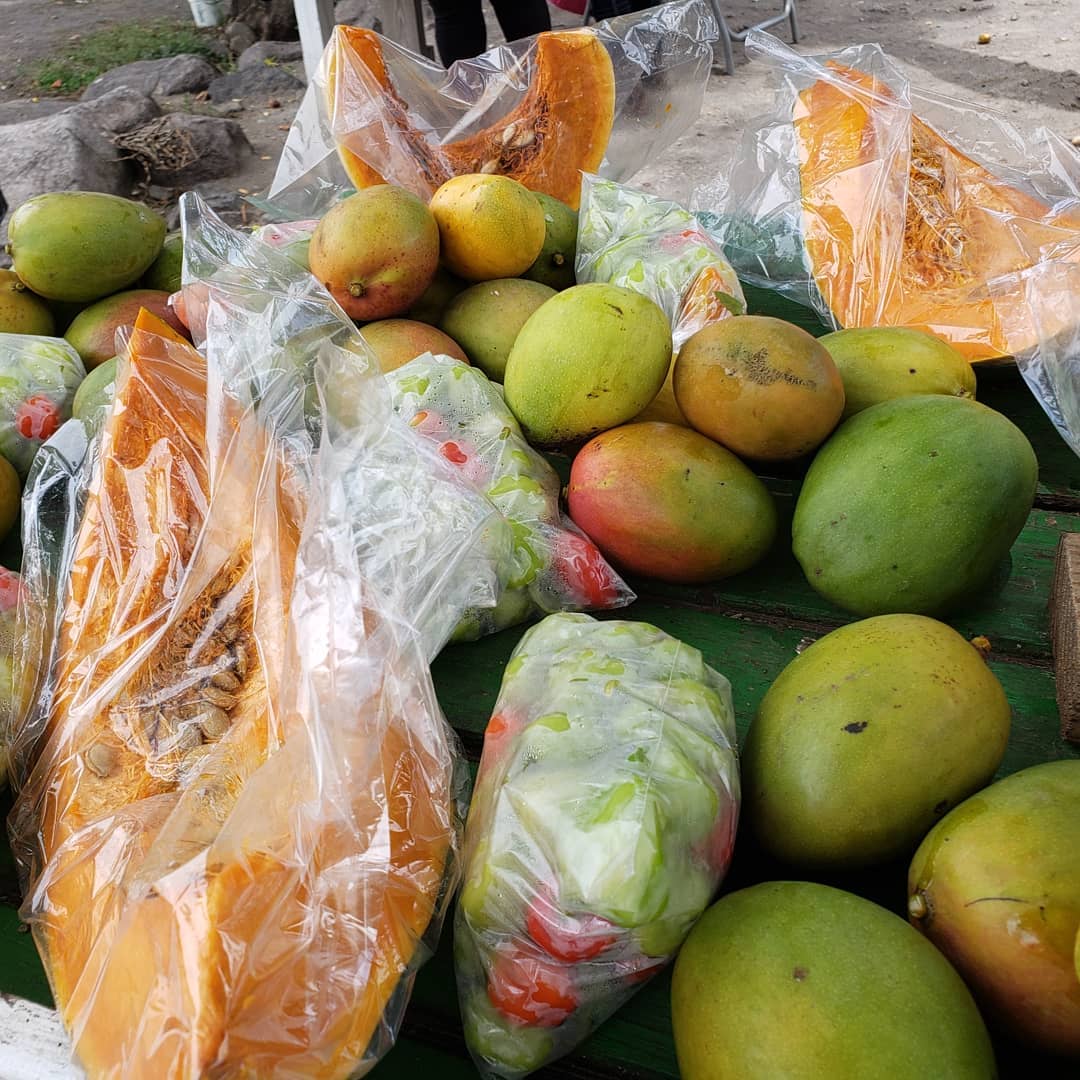
Mango trees across the island produce an abundance of fruit, with numerous varieties available from roadside vendors, and neighbours often generously share.
Alongside mangoes, visitors may find gineps, guavas, manciport, soursop, sugar apples, golden apples, and tamarind. Many of these fruits are also great as juices and sold either road side or served in restaurants.
One of the best places to experience this seasonal bounty is around Carr’s Bay Corner, where local vendors often sell fresh fruit harvested that very day.
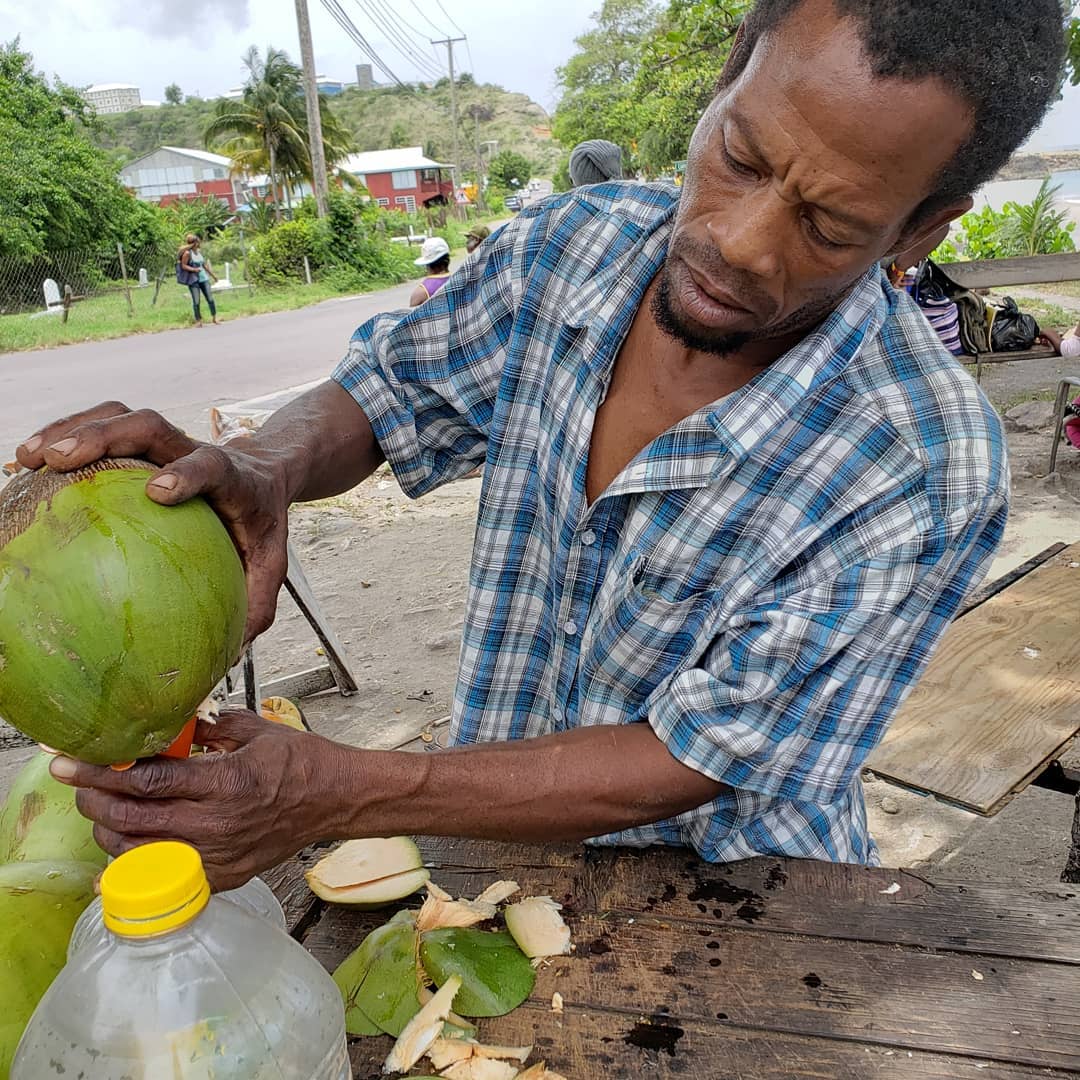
The summer heat can be intense, particularly during July and August. Staying hydrated is essential, and many residents will tell you that fresh coconut water remains the island’s drink of choice during the hottest months.
Where to Stay
Montserrat offers accommodation options for a wide range of travellers.
Visitors can choose from private villas, Airbnb properties, self-catering apartments, guest houses, and small hotels. Many properties offer mountain views, sea views, or easy access to beaches and hiking trails.
Travellers should check the latest accommodation listings before booking, as options continue to evolve. The most up-to-date information is available at VisitMontserrat.com.
Getting to Montserrat
Montserrat is accessible through regional connections, primarily via Antigua.
Most international travellers fly into Antigua before connecting to Montserrat by air. The island can also be reached through international and regional routes via St. Maarten.
Because flight schedules can vary seasonally, visitors should check current transportation options when planning their trip.
Read Getting Here for airline contact details.
What Summer Travellers Should Know
Summer coincides with the Atlantic hurricane season, which officially runs from June through November.
Tropical storms and hurricanes are possible during this period, although the historical peak of hurricane activity typically occurs from September onward. July and early August often provide long stretches of sunny weather and excellent conditions for outdoor activities.
Visitors should monitor weather forecasts, purchase appropriate travel insurance, and remain flexible with travel plans during the season.
Travellers should also be aware that severe weather systems can occasionally affect utilities and communications. Brief power outages can occur, and while strong mobile and internet coverage is available across much of the island, tropical weather can sometimes impact connectivity.
For remote workers and digital nomads, it is wise to build some flexibility into work schedules during periods of unsettled weather.
A Summer Worth Discovering
Summer reveals many sides of Montserrat.
One day might begin with a boat trip along the exclusion zone, continue with fresh mangoes and coconut water from a roadside vendor, and end with live music at a beach fete. Another could be spent kayaking along the coast, learning about medicinal plants at the Botanical Gardens, watching turtles nest under the stars, or exploring the island’s volcanic landscapes.
It is this combination of nature, history, culture, adventure, and community that makes summer one of the most rewarding times to visit Montserrat.
Discover more from Discover Montserrat
Subscribe to get the latest posts sent to your email.

