
A major £3.7 million international research project is underway to improve scientists’ ability to detect and anticipate dangerous escalations in volcanic activity, with work focusing on key volcanoes in the Eastern Caribbean, including Montserrat’s Soufrière Hills Volcano.
The project, Ex-X: Expecting the Unexpected, is led by the University of Bristol and funded by the UK’s Natural Environment Research Council. The Montserrat Volcano Observatory (MVO) is a partner in the study, which aims to better understand why some eruptions rapidly shift from relatively mild activity to far more explosive and dangerous events.
Research shows that hundreds of millions of people worldwide live within 100 kilometres of a volcano that has experienced at least one significant eruption. Yet scientists still struggle to identify the warning signs that signal a transition to high-impact eruptions. Studies indicate that around 61% of eruptions initially affect only the area near a volcano’s summit before escalating quickly into much more destructive events capable of threatening wider populations.
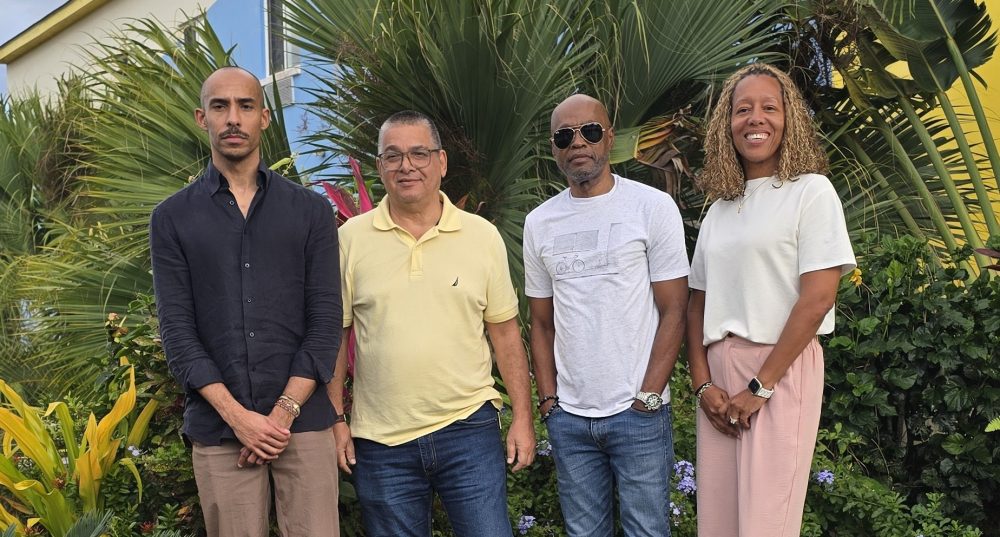
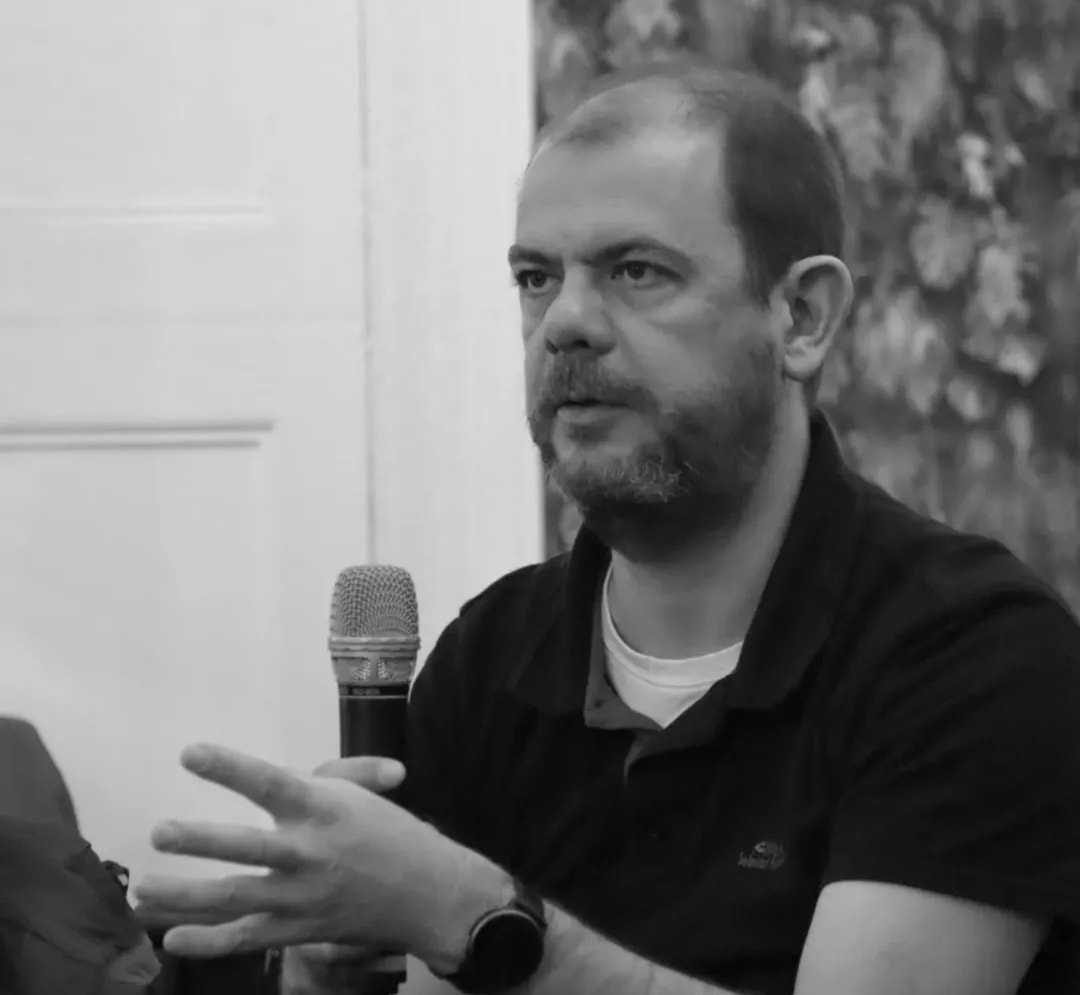
MVO was represented at the project’s initial workshop in Bristol on January 12 – 13, 2026 by Dr Adam Stinton, reflecting Montserrat’s ongoing contribution to international volcanic research.
Initial research under Ex-X will focus on three volcanic systems in the Eastern Caribbean: Soufrière Volcano, Montagne Pelée, and Soufrière Hills Volcano.
Recent advances in seismology will allow researchers to deploy large numbers of seismic “nodes” across Soufrière Volcano in St Vincent. These instruments, designed with long battery lives, can collect critical data even when a volcano is not erupting. The data, combined with records from past eruptions, will be analysed using machine-learning techniques to help identify patterns of subsurface activity before, during and after dangerous eruptive transitions.
The findings will then be incorporated into new mathematical and numerical models to simulate eruption processes and identify the key drivers and signals of escalation. In parallel, researchers will use advanced micro-analytical techniques, including X-ray computed tomography and electron microprobe analysis, to study crystals formed during recent and historic eruptions. These crystals preserve evidence of changing conditions within magma systems and offer clues to the processes that precede explosive activity.
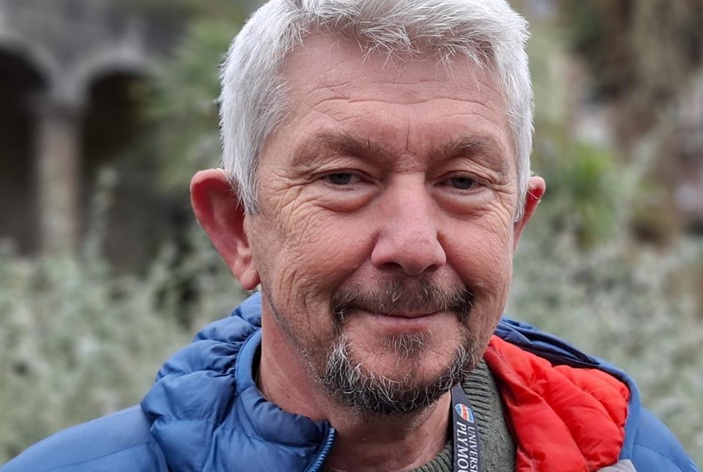
The project team includes Dr Paul Cole, Associate Professor of Volcanology at the University of Plymouth and a former Director of the Montserrat Volcano Observatory. Dr Cole has more than three decades of experience researching active volcanoes across the Caribbean and Europe, beginning work at Soufrière Hills shortly after its eruption began in 1995.
Reflecting on the importance of the research, Dr Cole said he has seen “first-hand the damage that can be caused by volcanic eruptions,” noting that they can destroy homes and infrastructure, displace communities and, in some cases, force people to leave their islands entirely.
“This project is all about being able to better understand the changes in magma and lava properties that ultimately cause volcanoes to erupt explosively,” he said. “With that information, we can hopefully put systems in place that give those living in the shadows of volcanoes an earlier indication of when an eruption might occur.”
Leading the project is Professor Jenni Barclay, AXA Chair in Volcanology at the University of Bristol’s School of Earth Sciences. She said unexpected shifts in volcanic behaviour have historically had severe impacts on communities in the Eastern Caribbean and elsewhere.
“There is still considerable uncertainty around when these dangerous changes will occur,” she said. “Ex-X’s ambition is to deliver a step-change in our ability to anticipate them. Recent analytical, theoretical and instrumental advances may now make it possible to recognise the subtle signs of a dangerous shift and provide earlier warning.”
Dr Erouscilla Joseph, Director of the University of the West Indies Seismic Research Centre, which monitors volcanoes across the English-speaking Eastern Caribbean and is a key partner in the study, said the research has direct implications for regional safety.
“Many Caribbean communities live in the shadow of dangerous volcanoes,” she said. “Rapid changes in activity can devastate entire areas and overwhelm evacuation efforts. Getting involved in this kind of research is essential, because the advances we make will create real differences in responding to the next eruption.”
In addition to researchers in Bristol and Plymouth, the Ex-X collaboration includes academics from universities in East Anglia, Manchester and Oxford, along with partners in the Eastern Caribbean, the United States, Germany and Italy.
Further information about the project is available via the Ex-X research team’s online platforms.
Discover more from Discover Montserrat
Subscribe to get the latest posts sent to your email.