High blood pressure does not always come with warning signs. For many Caribbean women, it develops quietly, masked by busy schedules, family responsibilities, and the belief that feeling fine means everything is fine.
That assumption is exactly what health and wellness coach Vanessa Farrell is challenging.
In her recent conversation on the Flourish Podcast, Farrell describes hypertension as a “silent killer” that is affecting more women, and at younger ages, than many realise. The danger is not just the condition itself, but how easily it is dismissed.
Many women only seek medical care when something feels wrong. But with high blood pressure, that approach can be risky. As Farrell explains, it is common for women to be diagnosed during routine checks, often with no symptoms at all. The absence of discomfort can create a false sense of security, leading to delayed action or inconsistent follow-up.
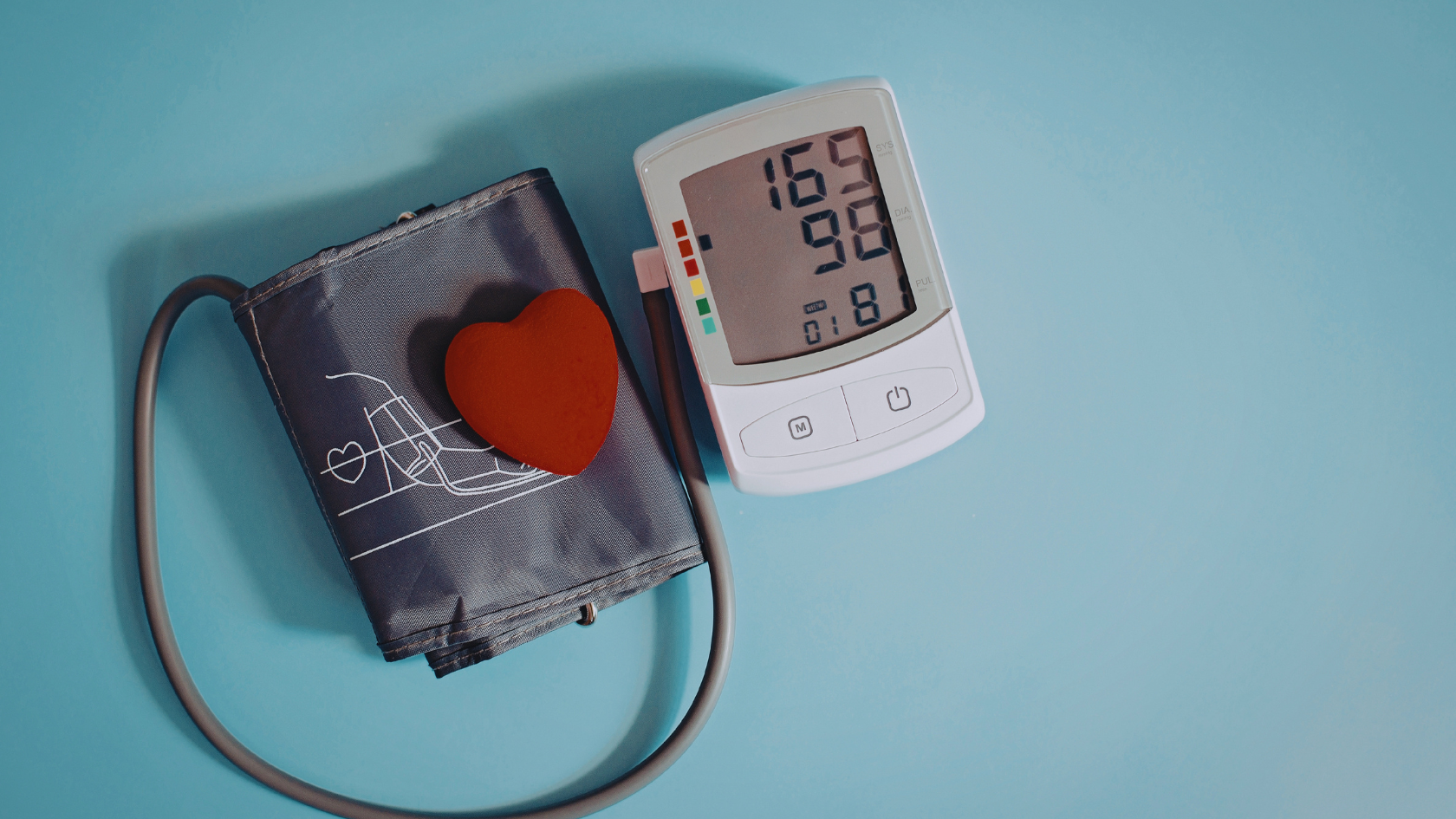
Understanding the numbers is a critical starting point. A normal reading is typically around 120 over 80. Once those numbers begin to rise, even slightly, the risk increases. By the time readings reach significantly elevated levels, the body may already be under strain.
What your blood pressure reading means
Blood pressure readings are given as 2 numbers, with the first number higher than the second (for example, 130/80).
You’re usually considered to have high blood pressure if your reading is:
- 140/90 or higher when checked by a healthcare professional
- 135/85 or higher when checked at home
But Farrell’s message is not about fear. It is about control.
She encourages women to move from passive awareness to active management. That means understanding personal risk factors, making intentional lifestyle choices, and building habits that support long-term health. Her approach focuses on practical steps. Improving nutrition, increasing physical activity, reducing sodium intake, managing stress, and consistently tracking blood pressure at home.
One of the biggest challenges, she notes, is consistency. Many women start strong but struggle to maintain routines, especially when they do not feel unwell. That is where accountability and structure become important.
Farrell also challenges several common myths. Taking medication does not mean lifestyle changes are optional. Feeling normal does not mean blood pressure is under control. And perhaps most importantly, hypertension is not just an older person’s issue. Women in their twenties and thirties are increasingly being affected, often due to stress, diet, and sedentary lifestyles.
The conversation highlights a broader issue. Caribbean women are often managing everything and everyone else, while placing their own health last. High blood pressure thrives in that environment.
The shift, Farrell argues, starts with mindset. Being “the boss” of your blood pressure means taking ownership. Not waiting for a crisis, but making decisions daily that support your health.
This is not about doing everything perfectly. It is about doing the right things consistently.
To hear the full conversation with Vanessa Farrell with hosts Nerissa Golden and Sonia Charles, listen to the latest episode of the Flourish Podcast.
Discover more from Discover Montserrat
Subscribe to get the latest posts sent to your email.