
Nearly six out of every ten adults over the age of 40 in the Eastern Caribbean are living with hypertension, and a new study suggests that many Montserratians know what they should be eating but face significant obstacles when it comes to putting that knowledge into practice.
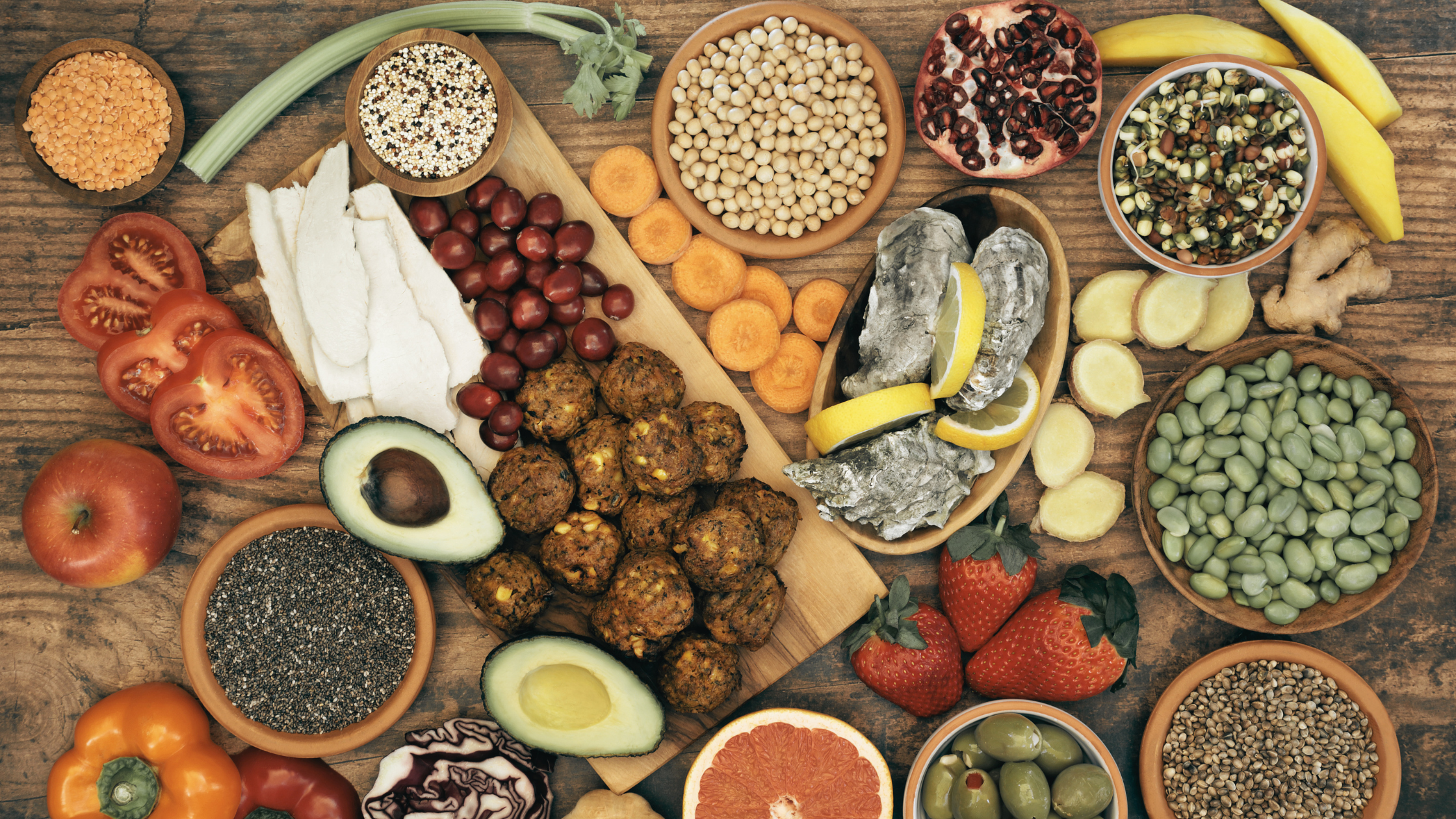
Several members of the research team are familiar faces within Montserrat’s healthcare system, including Chief Medical Officer Dr. Sharra Greenaway-Duberry, former Director of Primary Health Care Services and epidemiologist Dr. Dorothea Hazel-Blake, and Family Nurse Practitioner Nadine Duberry. Their study explored why many residents find it difficult to follow the Dietary Approaches to Stop Hypertension (DASH) eating plan, a clinically recommended approach that emphasises fruits, vegetables, whole grains, nuts and pulses while limiting salt, sugar and high-fat foods to help control blood pressure.
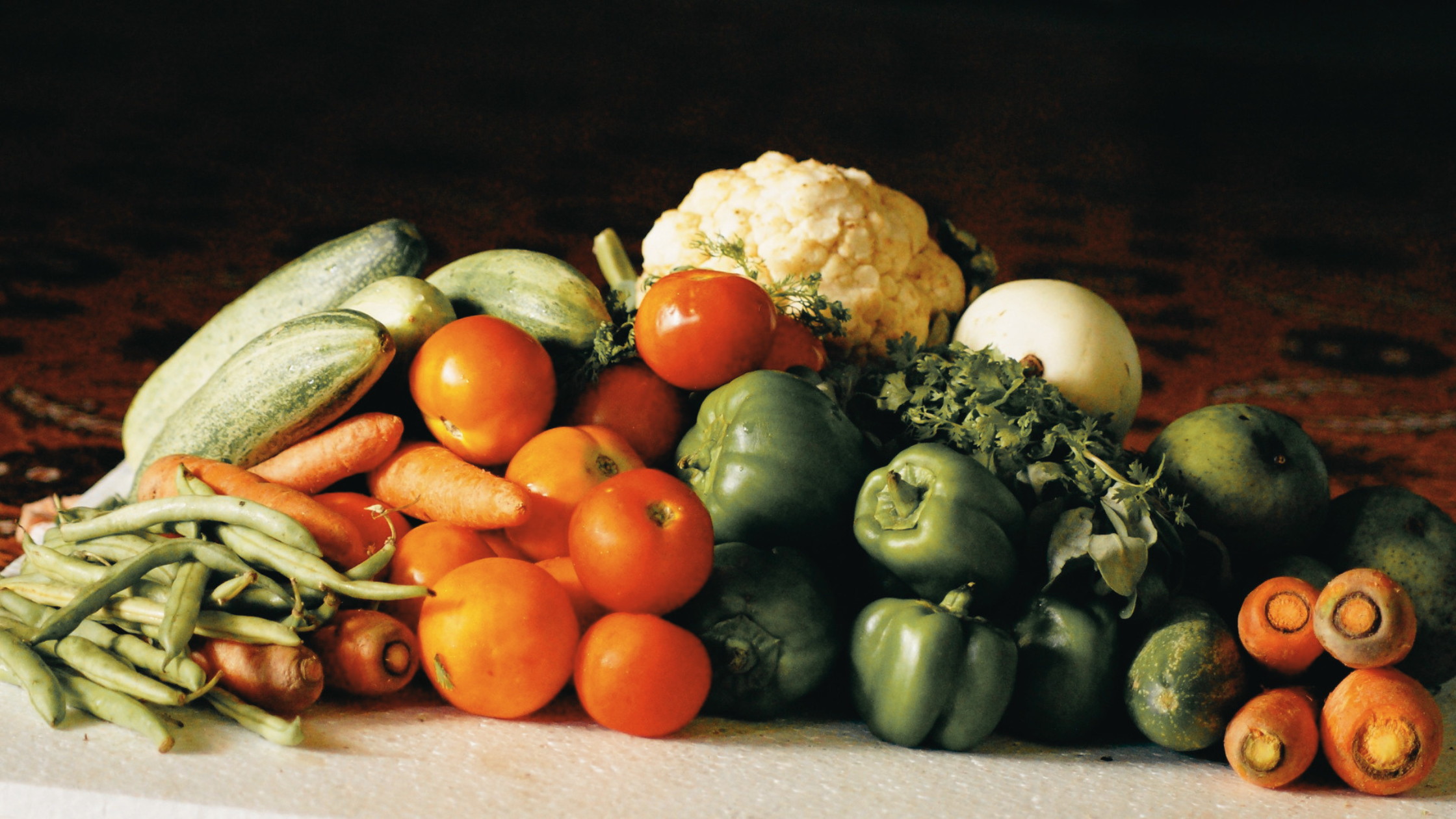
The findings paint a picture that will be familiar to many residents: fresh produce is expensive, fish is not always available, healthy alternatives are often harder to access, and cultural food preferences remain deeply rooted.
At the same time, the study found that Montserratians are highly motivated to improve their health and often possess valuable traditional skills that could help support healthier eating.
The Reality Behind the Numbers
Hypertension remains one of the most significant public health challenges facing the Caribbean. The study notes that almost 58 percent of adults aged 40 and over in the Eastern Caribbean are living with high blood pressure.
Researchers interviewed 16 adults in Montserrat between the ages of 40 and 79 who had been diagnosed with hypertension. Participants discussed their experiences trying to follow dietary advice, the barriers they faced, and the support they believed would make healthy eating easier.
One clear message emerged throughout the interviews: people understand the risks of hypertension.
Participants spoke about fears of stroke, heart disease and early death. Some had watched family members suffer serious health complications. These experiences often served as a powerful motivation to make healthier choices.
The challenge, researchers found, is not a lack of motivation.
The Cost of Eating Well
Among the strongest barriers identified was the cost of healthy food.
Participants repeatedly pointed to the high prices of fruits, vegetables and fish. One interviewee summed up the dilemma simply: “They’re a little expensive but you can’t eat the money.”
The study found these concerns were supported by official government statistics.
In 2022, imported produce accounted for approximately 81 percent of the island’s total fruit and vegetable supply by weight. Local fish production has also declined in recent years, limiting availability and increasing prices.
Researchers also noted that about three-quarters of employed people in Montserrat earn less than EC$4,000 per month. When combined with high food prices, healthy eating can become financially difficult for many households.
Seasonality further complicates matters.
Even when residents want to buy local produce, supplies are not always available year-round. Fish availability also fluctuates depending on weather conditions and fishing activity.
Tradition May Be Part of the Solution
One of the more encouraging findings was that many traditional Montserratian food practices already align with healthy eating principles.
Participants described growing vegetables at home, cooking with pulses and beans, trimming excess fat from meats and preparing homemade drinks with less sugar than commercial alternatives.
Several participants expressed a preference for local foods over imported alternatives and viewed traditional food preparation methods as healthier.
The researchers suggest this presents an opportunity.
Rather than promoting healthy eating as something imported from overseas, future public health campaigns could build on existing cultural traditions and local food knowledge.
That approach may also be more acceptable to residents than simply asking them to abandon familiar foods and habits.
A Knowledge Gap at the Supermarket
While participants generally felt confident cooking and preparing food, many admitted they struggled to understand nutrition labels.
Several interviewees said they primarily looked at expiry dates and wanted more education on how to interpret sodium, sugar and fat content on packaging.
Researchers identified nutritional label literacy as a potential area where relatively simple interventions could make a significant difference.
Participants suggested practical resources such as easy-to-read food guides, community meetings, radio programmes and public education campaigns.
Beyond Individual Responsibility
Perhaps the most important conclusion from the study is that healthy eating cannot be viewed solely as a matter of personal choice.
The researchers argue that many residents are already motivated to improve their diets but face structural barriers beyond their control. High food prices, import dependency, limited agricultural production and inconsistent access to healthy foods all shape dietary decisions.
As a result, the authors recommend a combination of nutrition education, financial support, improved agricultural coordination and community-based peer support programmes.
The findings arrive at a time when Montserrat continues to grapple with high rates of chronic diseases, including hypertension and diabetes.
For policymakers, healthcare providers and residents alike, the study offers an important reminder that changing behaviour requires more than information alone.
As one participant noted, maintaining a healthy diet takes discipline. But the study suggests that discipline becomes much easier when healthy choices are affordable, available and supported by the wider community.
Discover more from Discover Montserrat
Subscribe to get the latest posts sent to your email.