From thermal imaging drones and satellite communications to upgraded warning systems and emergency operations technology, Montserrat is increasingly relying on modern tools to strengthen its ability to prepare for, respond to and recover from disasters.
While hurricane preparedness often focuses on supplies, shelters and emergency plans, officials say technology is playing an increasingly important role in protecting lives and restoring services when severe weather strikes.
Updates provided during the Annual Hurricane Conference hosted by the Disaster Management Coordination Agency (DMCA) on Monday, June 1, 2026, highlighted several new and expanded capabilities now available to emergency responders across the island.
Eyes in the Sky
One of the most significant additions comes from the Royal Montserrat Police Service, which now operates drones equipped with thermal imaging technology.
Commissioner of Police Mark Payne said the drones will help emergency responders quickly assess damage, identify blocked roads and locate people who may require assistance following a storm.
The thermal imaging capability allows operators to detect heat signatures, making it easier to find individuals in difficult terrain or areas where access may be limited after severe weather.
The drones can also provide real-time aerial imagery, helping emergency managers determine where resources should be deployed first.
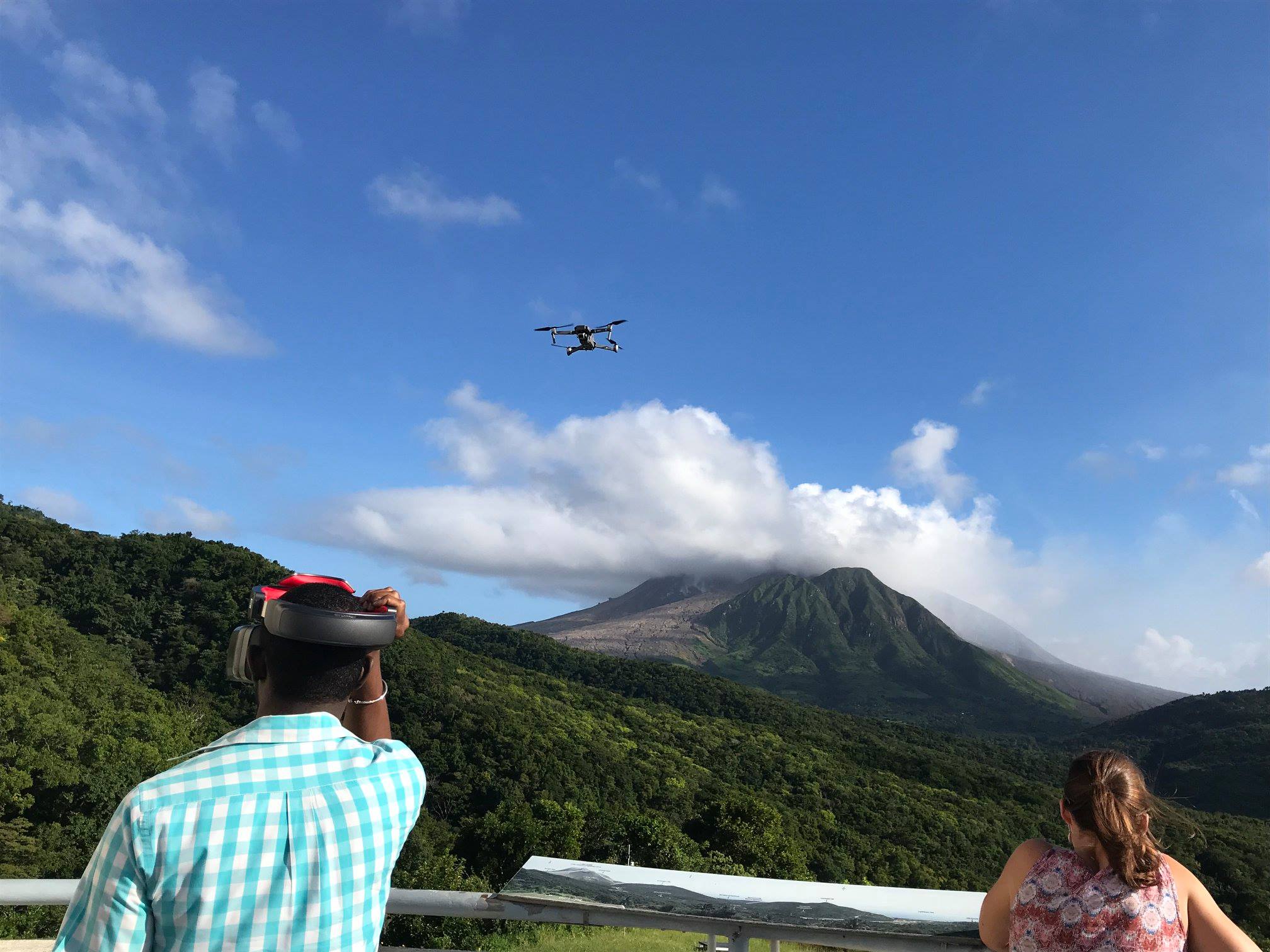
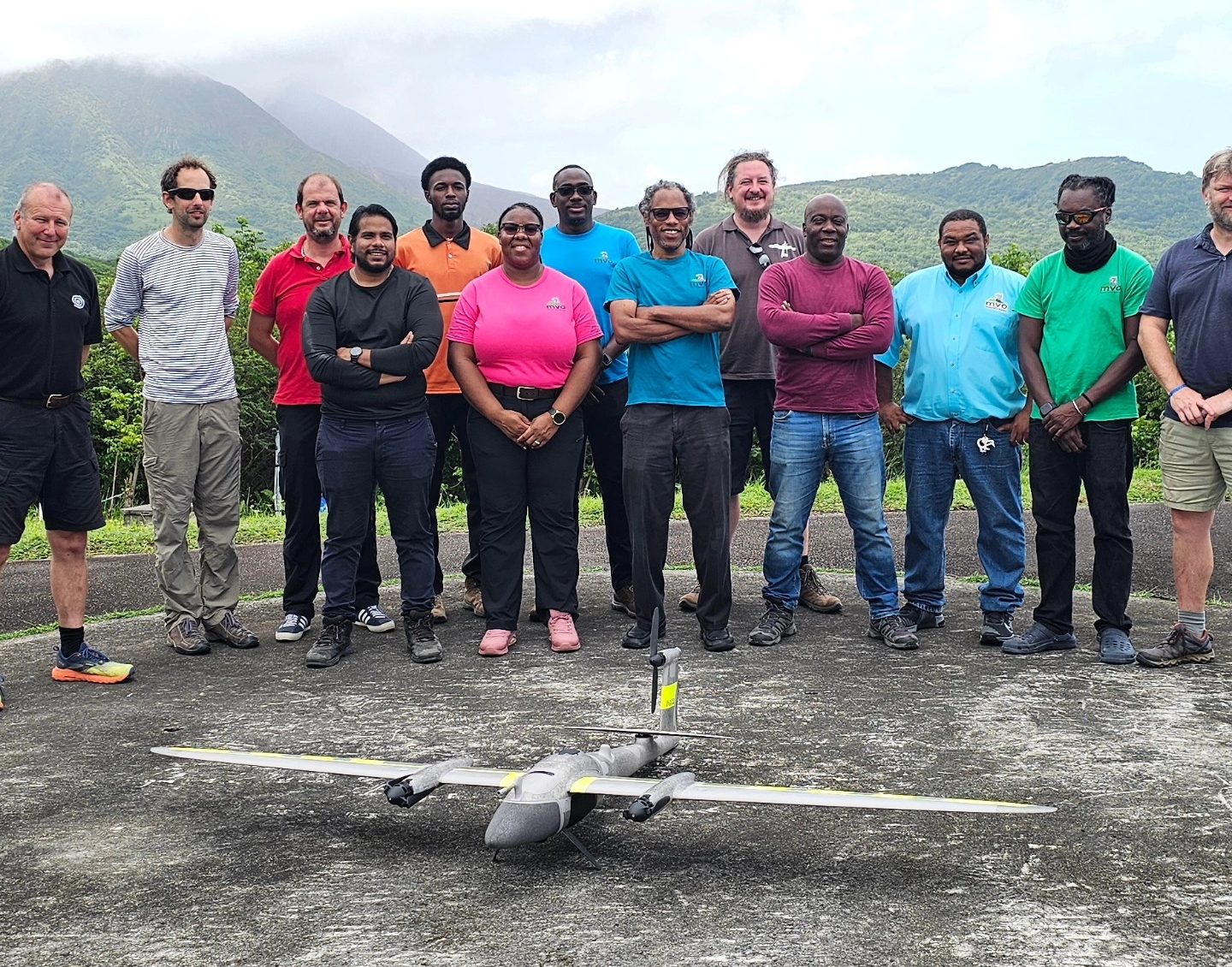
The Montserrat Volcano Observatory (MVO) has also expanded its drone programme.
The observatory now has six trained drone pilots and three unmanned aerial vehicles available for operational use.
Volcanologist and acting Director of the MVO Dr Adam Stinton told the gathering that while the drones are primarily used for volcano monitoring, they can also support post-disaster mapping, infrastructure assessments and damage surveys following hurricanes and severe rainfall events.
New Communications Backup
Communication failures are among the greatest challenges faced during disasters, particularly when power outages or damaged infrastructure affect traditional telephone and internet services.
To reduce that risk, officials outlined several layers of communication systems now available across Montserrat.
These include high-frequency radios, very high-frequency radios, satellite phones, the island-wide warning siren network and digital communication platforms.
Premier Reuben Meade also revealed that government has acquired a new satellite-based communications system designed to provide an additional layer of resilience should conventional telecommunications networks fail.
The technology is expected to allow key personnel and emergency shelters to remain connected even during major disruptions.
The announcement reflects growing efforts by government to diversify communication options and reduce dependence on any single system.
Upgraded Warning Systems
Many residents are familiar with the daily noon siren test heard across the island, but officials say the warning system is capable of much more than sounding an alarm.
The network consists of ten siren sites located around Montserrat and can be used to deliver emergency alerts to communities.
Recent upgrades have improved the reliability of the system, with additional technical support expected to further modernise operations and ensure long-term sustainability.
The DMCA is also exploring opportunities to expand coverage to additional areas, including the tourism zone at Little Bay and the reopened visitor access areas in the south.
Officials noted that when residents hear the warning sirens outside of routine tests, they should immediately tune in to ZJB Radio or other official government communication channels for instructions.
The Digital Emergency Operations Centre
At the centre of Montserrat’s disaster response system is the Emergency Operations Centre (EOC), housed within the DMCA headquarters.
The facility serves as the island’s command centre during emergencies, bringing together government officials, emergency responders, utilities and technical specialists to coordinate national response efforts.
Through integrated communications systems, agencies can share information, assess evolving situations and direct resources where they are needed most.
The system also links Montserrat with regional and international partners, including the Caribbean Disaster Emergency Management Agency (CDEMA), the United Kingdom Government and military support assets operating across the region.
From Hugo to High-Tech Preparedness
For many Montserratians, the memory of Hurricane Hugo remains a powerful reminder of how devastating a major storm can be.
When Hugo struck the island in 1989, forecasting technology, communications systems and emergency coordination capabilities were far more limited than they are today.
Today, hurricanes can be tracked days before they arrive. Emergency alerts can be issued instantly. Damage can be assessed from the air. Satellite communications can provide backup connectivity when traditional networks fail.
Officials say these technological advances do not eliminate risk, but they do provide emergency managers with more information and more tools than ever before.
As another hurricane season begins, the message from emergency planners is clear.
Preparedness still starts with individuals, families and businesses. But behind the scenes, a growing network of technology is helping ensure that when disaster threatens, Montserrat is better connected, better informed and better equipped to respond.
Discover more from Discover Montserrat
Subscribe to get the latest posts sent to your email.