Minister of Education Dr Ingrid Buffonge provided an update during Monday’s parliamentary sitting, on the summer programme which was designed to engage and safeguard children during the school break.
“The summer programme which arose out of the concept of the need to safeguard our children intended to cap students at 300 in number over the summer, but has maxed at 215 students due to budgetary constraints,” she explained. “The programme is having a positive impact on students so far.”
“The present focus of the ministry on keeping costs down is to ensure that the program becomes an affordable part of what we do in education. Lessons learned from this summer programme will be invaluable in planning the 2026 Safe Summer Programme.”
However, the minister expressed disappointment that the ministry’s plan to provide nutritious meals during the summer programme had not been realised.
“We intended to feed children, but we haven’t,” she said. “The intention was to institute the new Youth Nutrition Policy to feed the children, have healthy food prepared on-site with the involvement of some of the students in the preparation. For multiple reasons, including budgetary constraints, this has not happened.”
She emphasised the urgent need to tackle rising rates of lifestyle diseases in youth. “Science has proven that the only effective way to have a significant impact on the high and rising prevalence rates of diabetes and hypertension is to modify dietary intake and exercise patterns in the school-age population.”
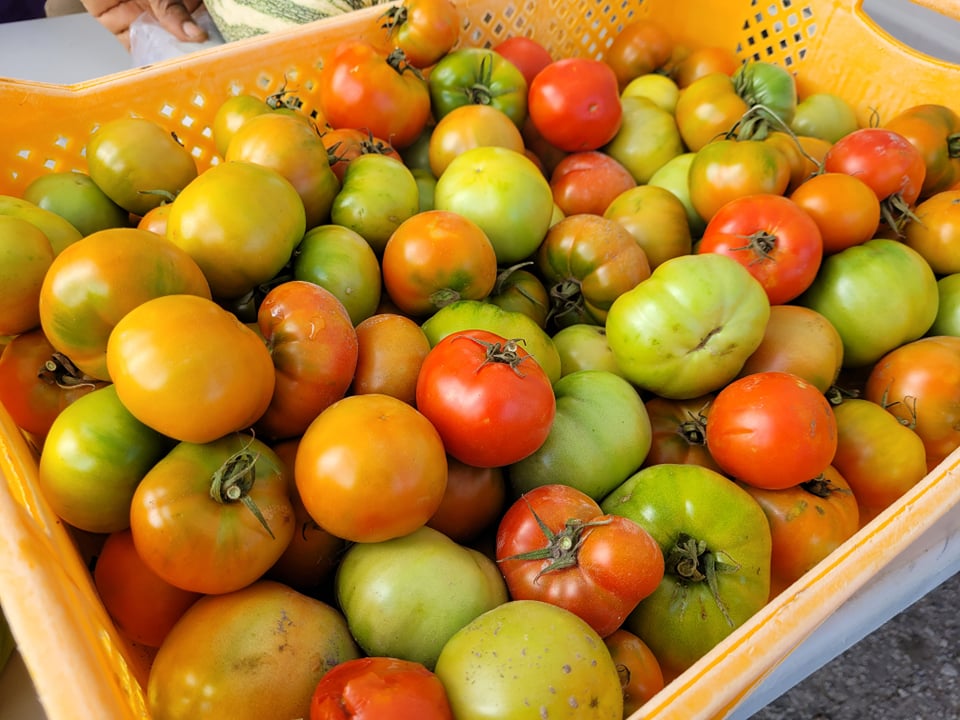
“For me, it is very disappointing that we are not this summer picking out food items from local farmers, discussing the nutritional content with our nutritionist, using local cooks in a community centre and schools to feed our children healthy meals prepared according to the Youth Nutrition Policy.”
“Healthy eating and regular exercise hugely reduce the risk of developing diabetes, hypertension, high cholesterol, and thus reduce the incidence of life- and limb-threatening complications such as stroke, heart attack, circulatory problems, kidney disease, and the reduction in quality of life that comes about due to visual impairment.”
Discover more from Discover Montserrat
Subscribe to get the latest posts sent to your email.