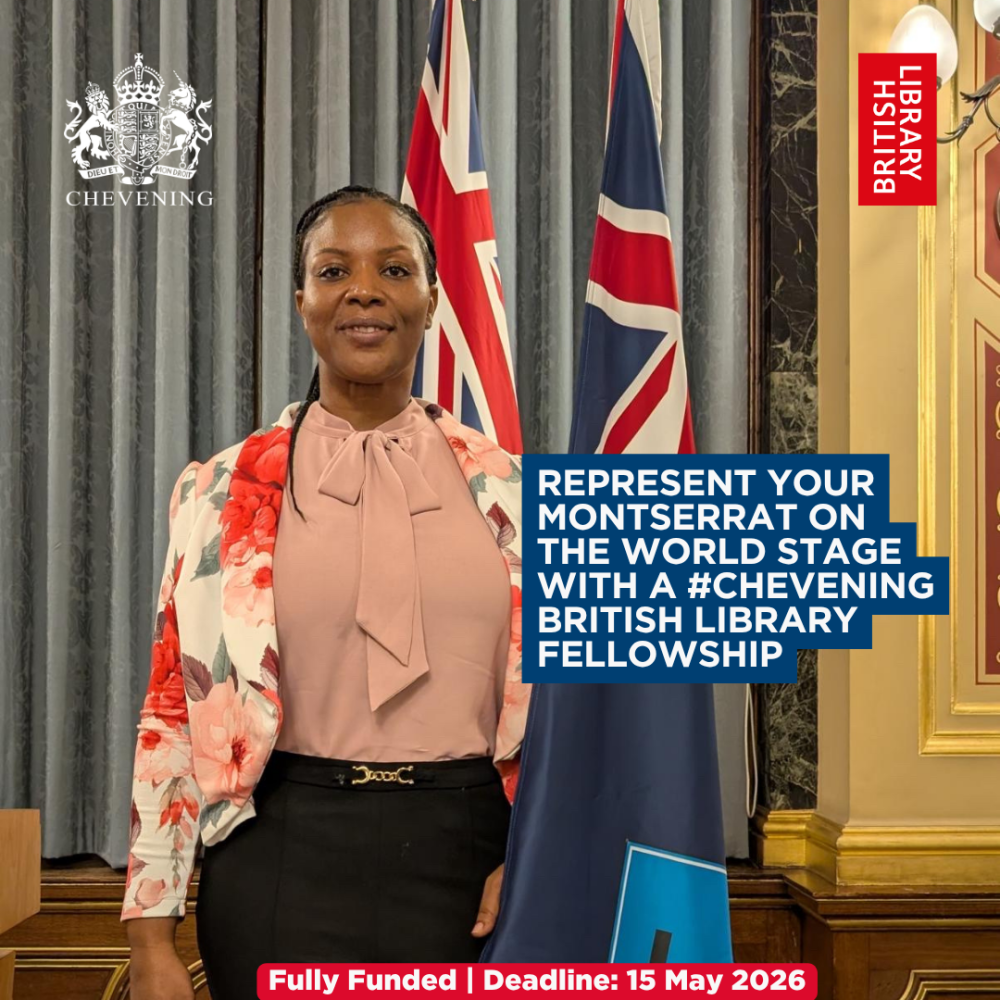

Nurse Charmaine Gray has presented new research exploring the toll that the COVID-19 pandemic took on nurses in the United Kingdom, highlighting its effects on their mental health, personal lives, and financial stability.
The presentation was part of last Wednesday’s 3rd Annual Research Day hosted by the Ministry of Health & Social Services.
Gray, who recently completed a master’s degree in business psychology at the University of East London, said she was motivated to pursue the study after witnessing the pressures nurses faced during the pandemic.
Her research, a qualitative analysis of 25 peer-reviewed studies using NVivo 14 software, examined the experiences of nurses during what was initially intended to be a year of global celebration for the profession.
Instead, the emergence of COVID-19 in 2020 created one of the most difficult periods in nursing history. Nurses were forced to balance frontline professional responsibilities with personal obligations, leaving many emotionally and physically drained.
Gray found that the mental health burden was the heaviest, with widespread reports of stress, burnout, anxiety, and depression. Female nurses were particularly affected, often being redeployed to unfamiliar wards such as intensive care without proper training. One ICU nurse told researchers: “We are on our knees here and it’s really difficult.” Another added: “It was just exceptionally stressful. We all had the fear of taking home COVID to our relatives.”
The study also revealed deep social strains, with many nurses feeling torn between their duty to patients and responsibilities at home. One nurse shared: “As a nurse, I have to do my duty, and that was coming above my children.” Another, a single mother, said she could not remember the last time she finished a shift on time or had the energy to give her son the attention he deserved.
Financial pressures compounded the crisis. Some nurses struggled to afford basic expenses, opted out of NHS pension contributions, or worked unpaid overtime to cover staff shortages. Despite this, they continued to provide essential care.
Gray concluded that the pandemic exposed long-standing issues in the NHS, including staff shortages and excessive hours, and called for urgent action to better support nurses.
Her recommendations include creating safe spaces for psychological support, implementing clear policies and training for future health emergencies, ensuring access to adequate PPE, encouraging regular breaks, and introducing incentives to attract and retain staff.
Gray expressed gratitude to the University of East London, the Government of Montserrat, her tutors, colleagues, and family for their support during her studies.
“We can never undervalue the work and the contribution of our nurses,” said the session moderator. “They are our local heroes, and without them, I’m not sure how we would survive.”
Discover more from Discover Montserrat
Subscribe to get the latest posts sent to your email.