
Access, affordability, and cultural preferences are among the biggest challenges facing Montserratians trying to follow healthier diets to manage hypertension, according to preliminary research presented at the Ministry of Health and Social Services’ 3rd Annual Research Day on Wednesday, September 10, at the Montserrat Cultural Centre.
Epidemiologist Dr William Berners-Lee, known as Dr Bill, is on secondment to the Ministry of Health from the UK Health Security Agency (UKHSA). He shared early findings from a qualitative study exploring how patients on island experience dietary recommendations for hypertension, particularly the DASH diet (Dietary Approaches to Stop Hypertension).

“Hypertension is the greatest modifiable risk factor for cardiovascular disease, dementia and chronic kidney disease,” Dr Bill explained. “In the Eastern Caribbean, the prevalence is estimated to be almost 60 percent, so it’s especially important that we understand how people here experience dietary advice.”
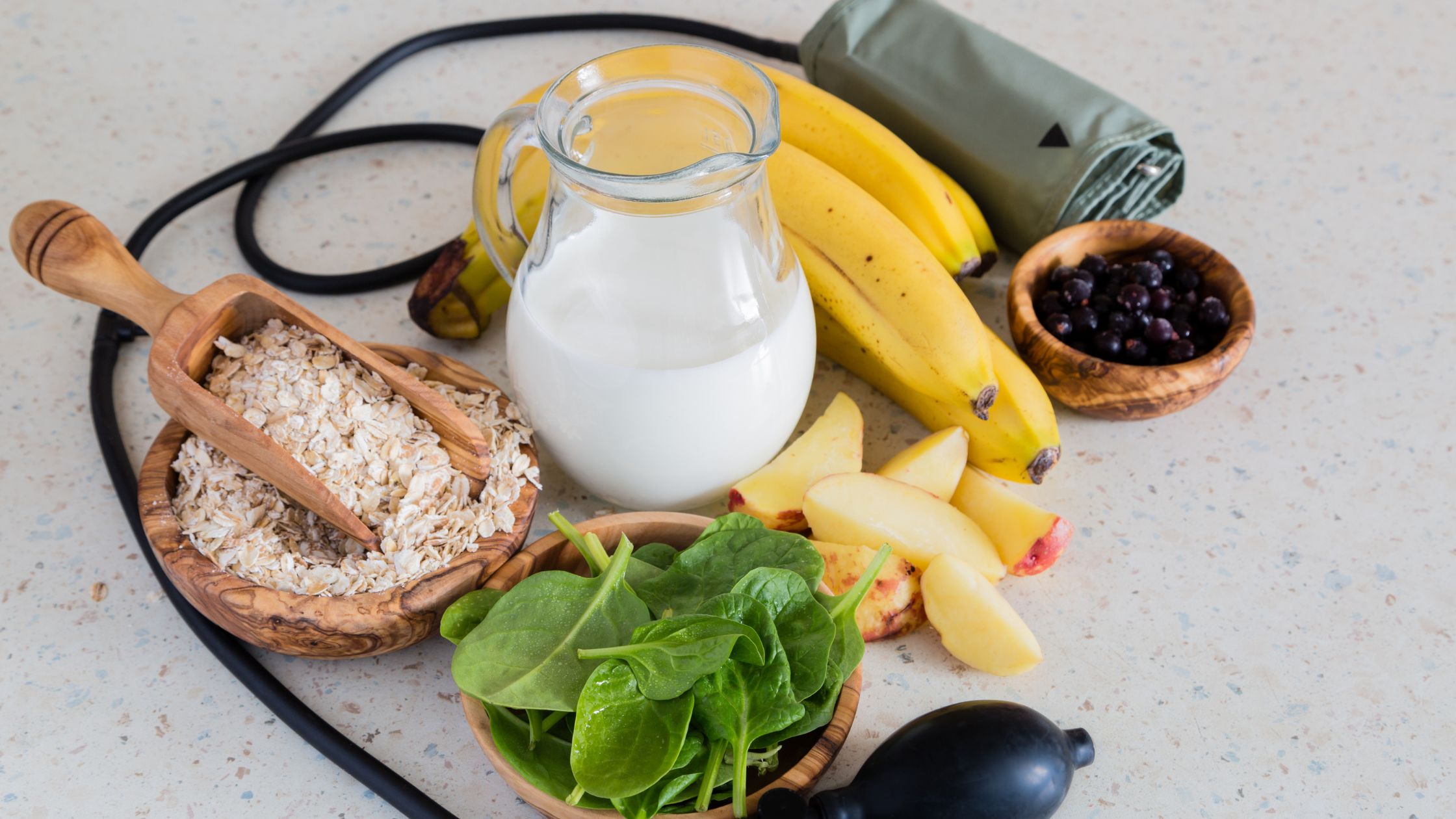
The DASH diet promotes reduced salt, sugar, and saturated fat intake while encouraging more fruits, vegetables, pulses, nuts, and lean proteins such as fish. While participants in the Montserrat study were generally aware of the need for healthier eating, they faced significant barriers to putting this into practice.
Cost and availability were recurring themes: imported fruits, vegetables, and fish were seen as prohibitively expensive, while local supplies were seasonal and often unreliable. Older residents in particular reported difficulty accessing local fish, especially if they were unable to reach the fishing bays themselves.
Cultural habits and family dynamics also influenced dietary choices. “People described how difficult it was to follow DASH if the rest of their family didn’t want to, especially when children preferred foods like white bread, sweetened drinks, or chicken wings,” Dr Bill noted. Taste preferences for white rice and sugary drinks also stood out as barriers, though long-standing traditions such as eating beans daily or trimming fat from meat were seen as potential facilitators.
On the positive side, participants demonstrated strong determination to improve their health. Many grew their own fruits and vegetables, created low-salt seasonings, or diluted sugary drinks. However, most admitted poor “label literacy,” with limited ability to interpret nutritional information on packaged foods.
Feedback from health professionals following the presentation underscored the importance of using research findings to shape practical interventions.
Dr Georgette Skerritt, assigned to primary healthcare, said: “It’s important for our clients to see that their treatment plan involves not just medication, but also their diet and lifestyle. We will continue to push more about the DASH diet and monitor how well patients do when they take it on.”
Other contributors called for greater use of the research in public awareness campaigns, going beyond radio programming to reach people directly in clinics, supermarkets and community spaces. “This kind of information can play a big role in awareness campaigns and initiatives to improve health outcomes,” one participant said.
Dr Bill emphasised that solutions must extend beyond education: “You can have plenty of information, but if fruits and vegetables aren’t affordable or available, that’s a barrier that requires a different kind of intervention.”
The next step, he said, will be stakeholder consultations to refine interventions that are affordable, practical, effective and equitable. These will involve healthcare professionals, politicians, media, and community stakeholders to ensure that recommendations can be realistically implemented.
The presentation was one of several delivered during the Ministry’s annual Research Day, which brings together local and international collaborators to share studies aimed at improving health outcomes for Montserrat.
Discover more from Discover Montserrat
Subscribe to get the latest posts sent to your email.