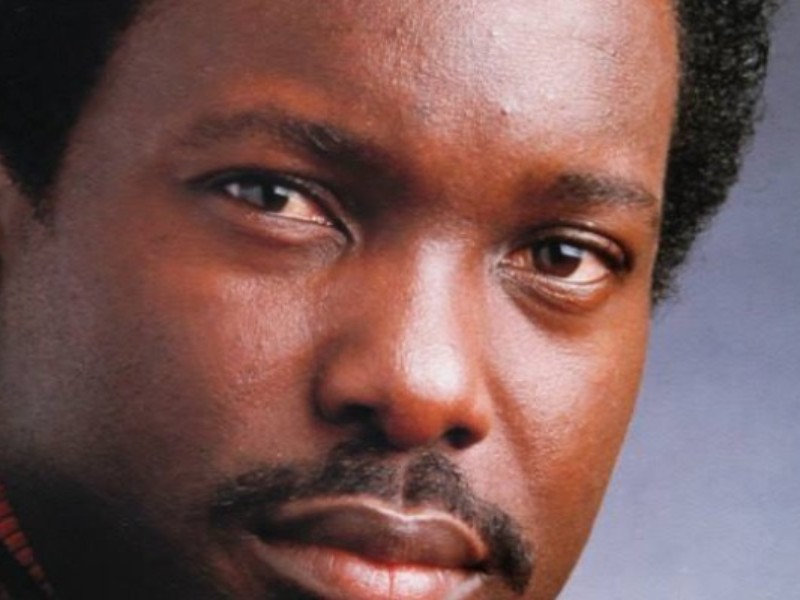
The first evening of the 2025 Alliouagana Festival of the Word opened not with books, but with warm memories of one of Montserrat’s greatest sons. On Thursday night, family, collaborators, musicians and friends from across the world came together to share living memories of Alphonsus “Arrow” Cassell, the man who took soca global and opened doors that Caribbean artists still walk through today.
The online room filled quickly: cousins, bandmates, technicians, cultural workers, scholars, fans. Some logged in from Montserrat, others from the United Kingdom, the United States, Latin America and the wider Caribbean. Everyone came to celebrate a man whose music still sparks joy in places he never set foot.
The theme of this year’s festival Living Libraries: Sharing Montserrat’s Stories, felt especially fitting. Those who worked closely with Arrow held decades of memories that could not be found in any book nor captured by any archive alone. For more than 90 minutes, they opened those libraries, page by page.
A Legacy Rooted in Business Genius
In her opening remarks, Gracelyn Cassell, founder of the festival and a cousin to the late national hero, reflected on why the lecture series was created. Arrow, she explained, was not only a musical icon but one of the rare Caribbean artists who mastered the business of creativity long before “industry” became part of the region’s vocabulary.
She recalled that after her own management studies, she interviewed Arrow about his approach and discovered he had already been practising the very theories she had learned: “Continuous product development, market analysis, benchmarking, networking, surrounding yourself with people who are the best at what they do.”
From registering Arrow Music Ltd in the UK to structuring publishing deals that moved from “fifty fifty deals” to eventually claiming “75 of earnings”, Arrow set standards for artistic entrepreneurship that many Caribbean musicians still struggle to match.
His publishing model helped his music appear in films and global commercials for brands like KFC, Toyota, Pizza Hut, Dell and Toshiba. As she put it plainly, “recognising the impossibility of personally monitoring opportunities for his music around the globe, Arrow depended on co-publishing with companies that are aggressive to be mutually beneficial.”
But the business lessons were only one part of the story.
Percy Martin: Life Inside Arrow’s Man Shop
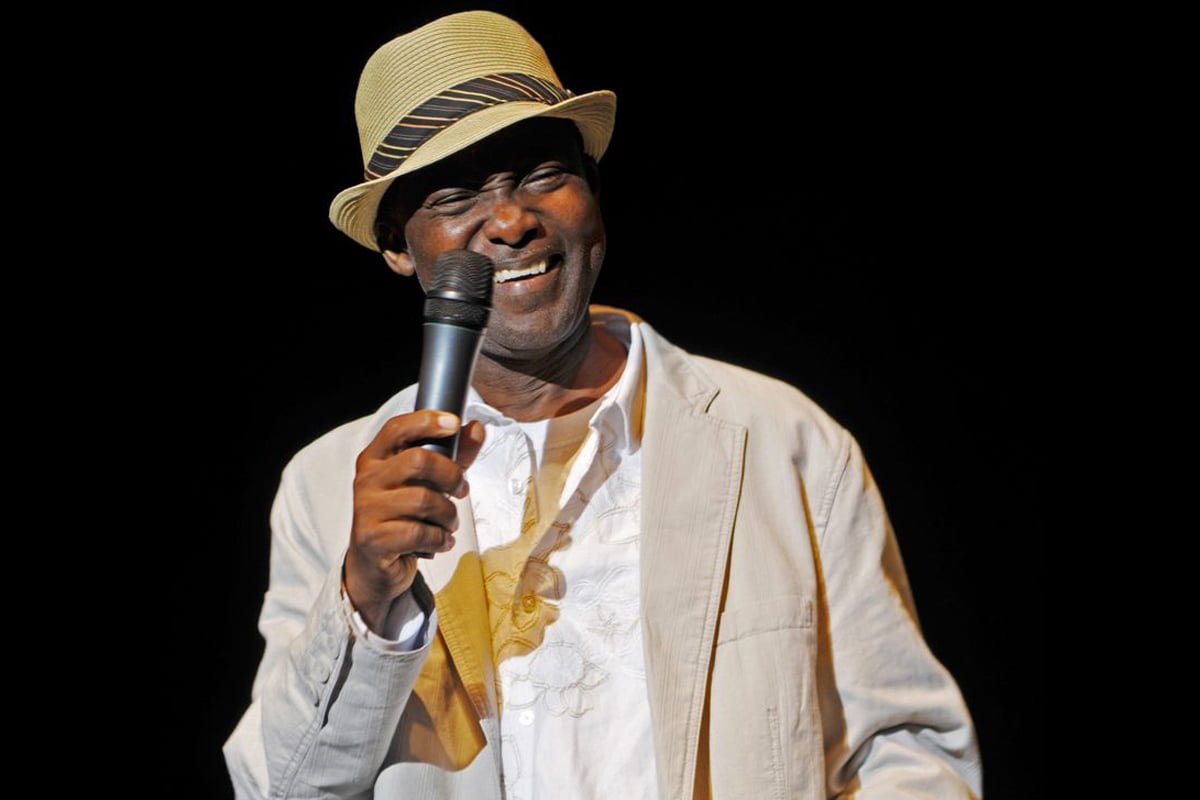
The first panelist, Percy Martin, joined from the United Kingdom, a last-minute fill-in for the beloved but unwell Basil Morgan. Percy worked for more than a decade in Arrow’s Man Shop in Plymouth and travelled worldwide with him, handling merchandising and logistics.
Percy’s memories were rich and personal. Arrow, he said, was “my mentor, a man who actually opened the door for my future.” His first gift to Percy was not clothing or music, but two books: The Gentle Art of Verbal Self-Defense and How to Win Friends and Influence People. It was Arrow’s way of preparing his staff not just for a job, but for the world.
Festival in Montserrat, he said, “meant nothing unless you have Arrow’s Man Shop Ten to One is Murder. It begins there and it ends there.”
Percy described working days and nights, arguing with Arrow about sleep (“night was made to sleep and not to work”), and managing Arrow’s merchandise on international tours. Antigua and St Maarten shoppers flocked to the store; cruise passengers were so eager that Percy often opened the shop at “odd hours”. The demand was so high that Arrow kept stacks of autographed photos ready — “people were willing to pay 20 US 30 US” but Arrow insisted they must always be free.
The anecdotes were warm, often funny, and always respectful. Percy remembered Christmas Eve nights when the shop stayed open until morning, serving locals and distributing ham and turkey. He remembered Arrow’s strict diet, his passion for cricket, and his sharp business instincts that shaped everyone around him.
Friendships Across Islands
Panelist Orville Manners offered a different window into Arrow, one shaped by theatre, brass bands, and cultural exchanges between Nevis and Montserrat.
They met as teenagers travelling with the Nevis Dramatic and Cultural Society. Arrow’s hospitality marked him: “He would open his home to me… even if sometimes he might have been travelling, he would always arrange some way for me.”
Orville traced how Arrow quietly influenced the rise of Antigua’s Burning Flames, offering them a stage long before mainstream fame caught them. Their shared love of arts and culture deepened a 40-year friendship that bridged islands with ease.
Roland Richards: Inside the Music
Then came Roland Richards, one of Arrow’s most significant musical collaborators. Roland joined Arrow’s band at 15 and eventually helped shape arrangements, direct musicians across continents, and guide the sound that would take soca to global stages.
Roland recalled his first major international concert at Crystal Palace, sharing billing with Gregory Isaacs. He remembered performing for “a 100,000 people” in Europe and navigating Caribbean competitiveness with diplomacy, because in those spaces, Arrow’s presence commanded respect.
One of the most striking stories came from Japan. Roland insisted on opening with Soca Rhumba, a much older Arrow track. Arrow resisted. The band played it anyway. To their shock, “there were people in the audience singing Soca Rhumba.” Japanese fans had studied Arrow’s catalogue so deeply that they knew the early classics word for word.
Roland also confirmed a long-circulated rumour: the iconic hit Hot Hot Hot was originally to be named Fundamental Jam. A group of trusted advisers, including Randy Greenaway, rejected it. The result was history.
The recording process, he said, was meticulous. Arrow never rushed studio work. The song’s famous shortened intro emerged only after a pop engineer warned, “don’t bore… get to the chorus.” Moments like these, Roland said, shaped the hit that became a global anthem.
Cecilia Tenconi: Christmas in Montserrat
Argentinian multi-instrumentalist Cecilia Tenconi, who toured extensively with Arrow, brought memories filled with laughter and warmth.
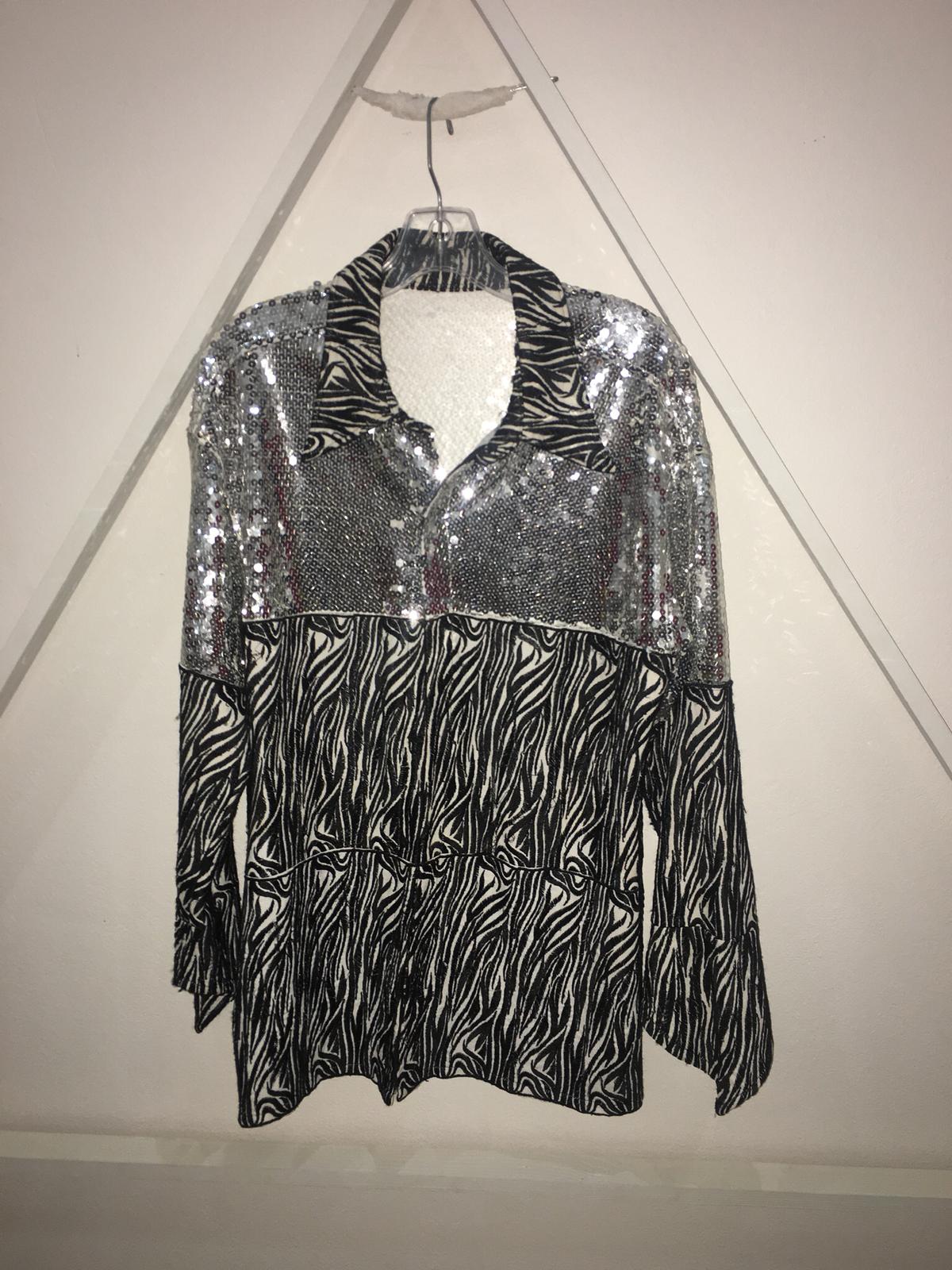
She recalled the joy of discovering Arrow’s extravagant stage outfits: “He had the best outfits… they should put them in the museum.” (There is an Arrow exhibit at the Montserrat National Museum which includes some of his outfits.)
Cecilia remembered his relentless work ethic, “he hardly slept”, and the long Brooklyn studio nights that ran until 6AM because Arrow would accept nothing less than perfection.
But her most tender recollections were of Christmases in Montserrat: the warmth, the food, the ocean, and the sense of home that Arrow offered his musicians from far away.
Hot Hot Hot on Brown Paper
One of the unexpected gems came from another participant, who shared a brief but delightful memory: Arrow once handed her the lyrics for a new song scribbled on “a piece of brown paper… from a brown paper bag”. She didn’t realise until later that the scribbles were for Hot Hot Hot, the song that would become one of the biggest soca tracks of all time.
The Songs That Travelled Further Than He Did
Throughout the night, participants shared spontaneous, vivid stories showing just how far Arrow’s music travelled.
One attendee, Myrle Roach recalled being in an Uber in Guatemala in 2024 and hearing Colombia Rock blasting from the radio. “I know song. I know singer,” she told the stunned driver and they sang it together all the way to her hotel.
Another remembered the Shamrock Cinema in Plymouth playing Man from Africa repeatedly, three nights in a row, with the theatre full each time as the audience sang along at the top of their lungs.
Arrow’s music lived everywhere on the airwaves, on stages, across oceans, and inside memories.
A Legacy Bigger Than One Lifetime
As the evening closed, one truth became clear: Arrow was not just a musician. He was an innovator, a businessman, a mentor, a cultural ambassador, a man who made Montserrat visible on the world map every time a crowd from Japan to Colombia to London shouted Ole Ole.
His home studio in Foxes Bay brought arrangers and musicians to Montserrat long before “remote work” was invented. His encouragement helped young artists across the region register their music, protect their rights, and build lasting income streams. His creativity blended rhythms from across the world, making soca accessible to audiences far beyond the Caribbean.
The stories shared on Thursday night were not nostalgia. They were reminders of a legacy with lessons still relevant today about innovation, courage, standards, community, and the pursuit of excellence.
And they were a reminder of something else: that Montserrat once had a superstar walking among its people as an ordinary man.
About Alphonsus “Arrow” Cassell
Arrow, who died in 2010 at the age of 60, produced 34 albums from 1971 to 2002. He was the first soca artist to tour Latin America, Japan, Australia, Morocco and many other countries. Arrow was the first Caribbean artist to release a music video and to release music on compact disc. Known as a perfectionist, Arrow used the technology of the day and would ensure his albums were mixed and mastered in the same studios as the top rock and rollers. He was the first soca artist to sell three million records with his hit Hot, Hot, Hot and to perform on Soul Train and Britain’s Top of the Pops. He was honoured as Montserrat’s third national hero in March 2016.
Discover more from Discover Montserrat
Subscribe to get the latest posts sent to your email.