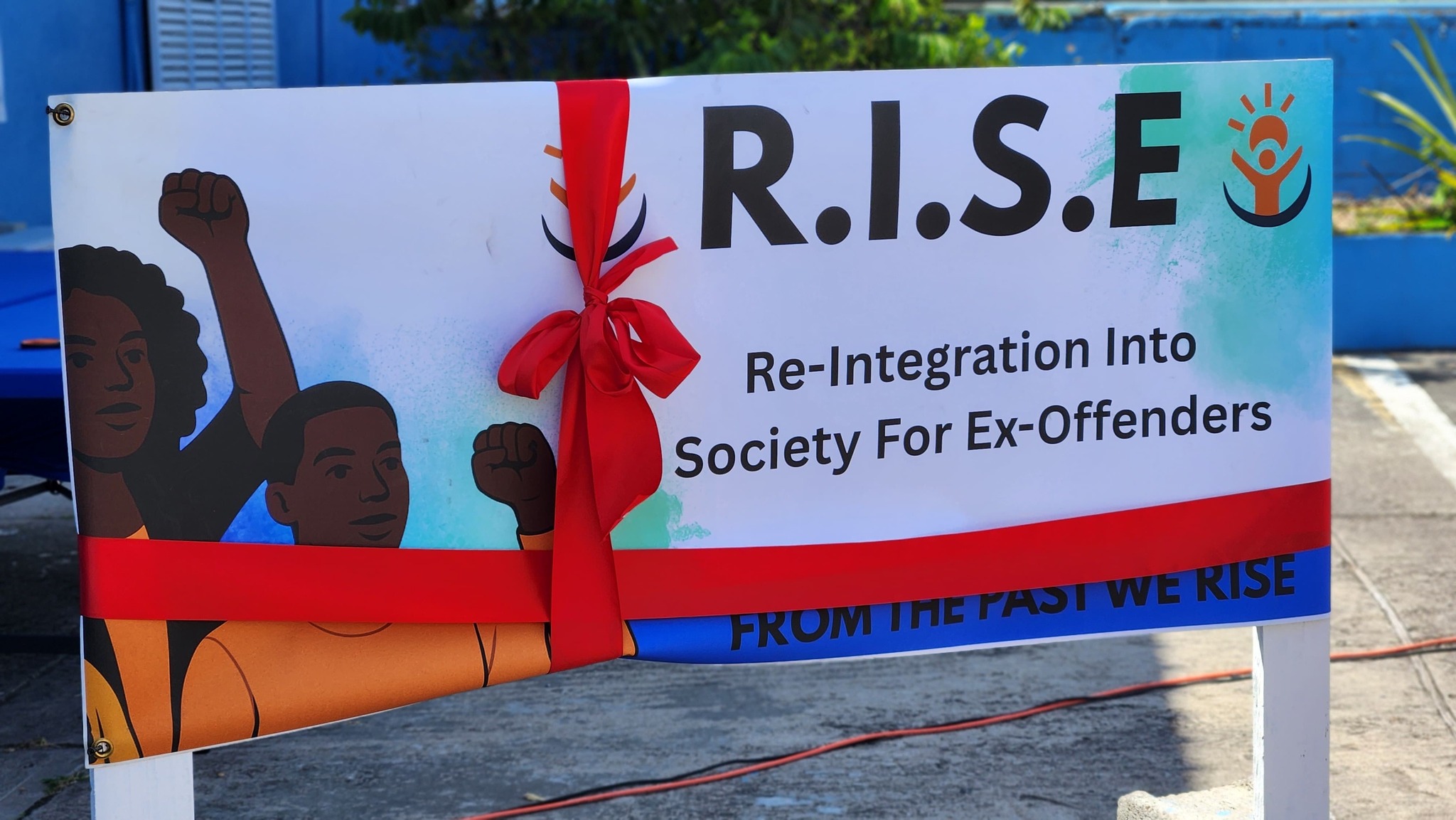
The management of His Majesty’s Prison (HMP) in Montserrat has welcomed a new initiative that aims to transform the lives of inmates through education and skills training, acknowledging the effort as a crucial step in the long journey of rehabilitation and social reintegration.
Superintendent of Prisons Bennett Kirwan said the prison was “pleased to be associated” with the new RISE programme, spearheaded by the Department of Community Youth and Sports Services. The initiative is structured around three key pillars: Mathematics, English, and ICT, with additional training in sustainable agriculture.
“These are now key life skills for persons to integrate into society and navigate daily living,” said Kirwan during remarks at the official launch event. “It is designed to create positive pathways for our prisoners by equipping them with essential academic and practical skills.”
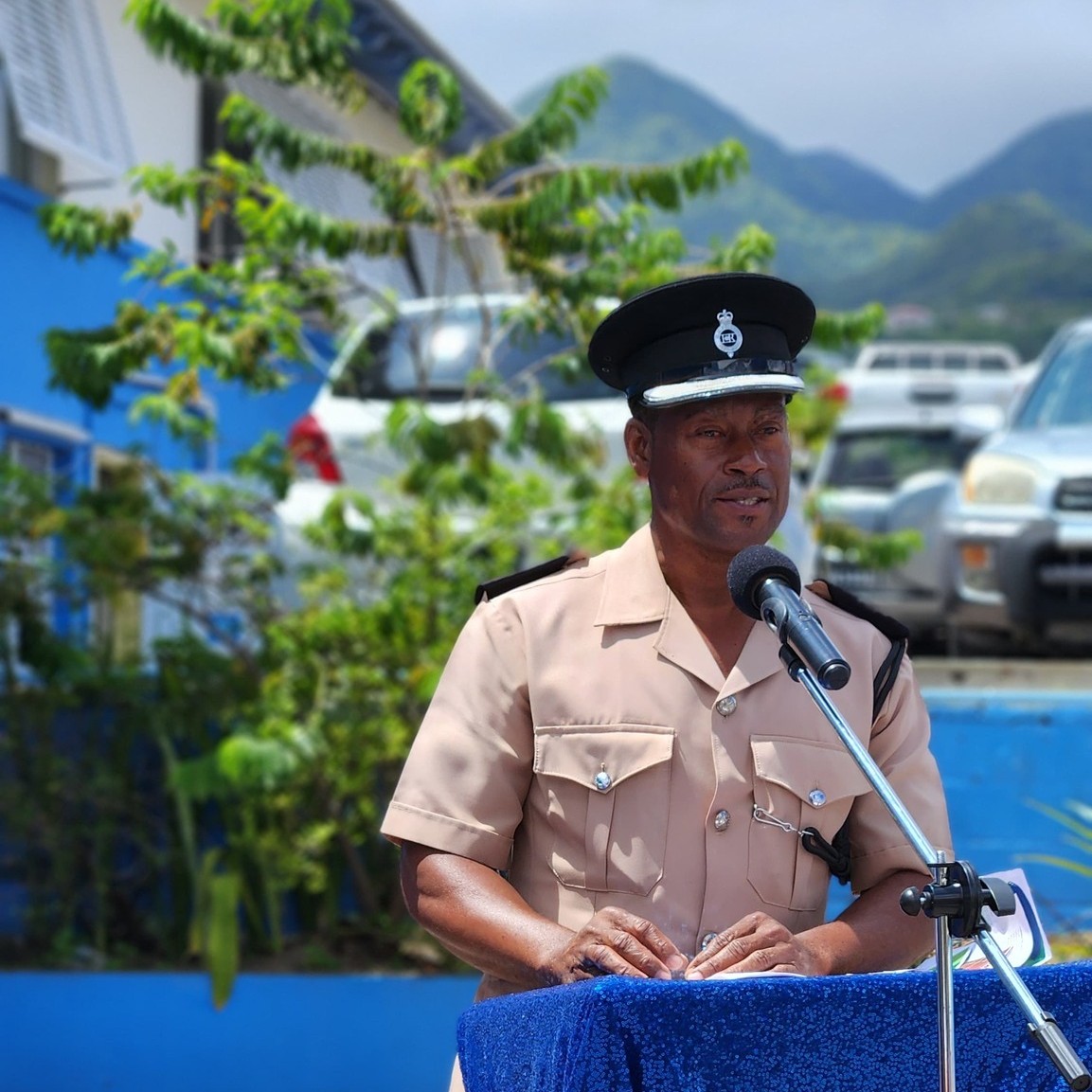
Kirwan emphasised the ongoing need to provide hope and opportunity for incarcerated individuals, even in the face of limited resources. “Individuals who are incarcerated often require support to aid them with their rehabilitation. It is therefore demanded of the prison to afford them opportunities to better themselves.”
He credited the dynamic leadership of project coordinator Denelta Weekes for moving the programme forward and highlighted the support already being provided by the Chief Medical Officer and other government units. After years of trying, the prison has also successfully acquired a nurse to support healthcare delivery onsite, he added.
Still, he acknowledged that much more is needed to sustain such initiatives.
“Transformational opportunities within prisons require the offering of multiple activities; counselling, education, skills-based training, behaviour modification, religious instruction, thinking skills, and medical services,” he said. “It also requires volunteers, professionals, funding and the commitment of dedicated individuals to bring about success.”
Kirwan expressed hope that local prison officers could receive training and attachments in other jurisdictions to develop their skills, which he said would enhance the prison’s ability to deliver services effectively.
“This programme is just one step in the holistic goal of rehabilitation,” he said. “Let us support the reform of our people and not make it difficult through stigma and discrimination for them to navigate society after prison life.”
He encouraged the public to donate useful books, particularly educational, gardening, Christian, geography, or reading skill-enhancing titles, to support inmate learning.
Hope and Transformation in the Classroom
Zelma White, one of the tutors involved in RISE, described the programme as a dream realised for many of the participants.
“In addition to learning the curriculum material, we hope that they will learn to engage in critical thinking, communicate effectively, and develop empathy and perseverance,” she said.
The inmates have responded positively, with one even building a website for his future business. However, she noted that the prison would benefit from donations of additional computers to enhance the delivery of ICT training.
Agriculture tutor Elvis Gerald praised the inmates for their attitude and behaviour, saying he was confident they would make meaningful contributions to local food production upon their release.
Speaking on behalf of his fellow inmates, one participant said, “We are grateful for this opportunity. We recognise that the knowledge and skills acquired will be valuable in our future endeavours.” Another added that the programme is already inspiring others in the wider community to consider attending training or taking courses.
“We feel privileged to have such good quality educators who genuinely care. It’s only left to us to show interest and do our best.”
A Broader Vision for Justice and Reintegration
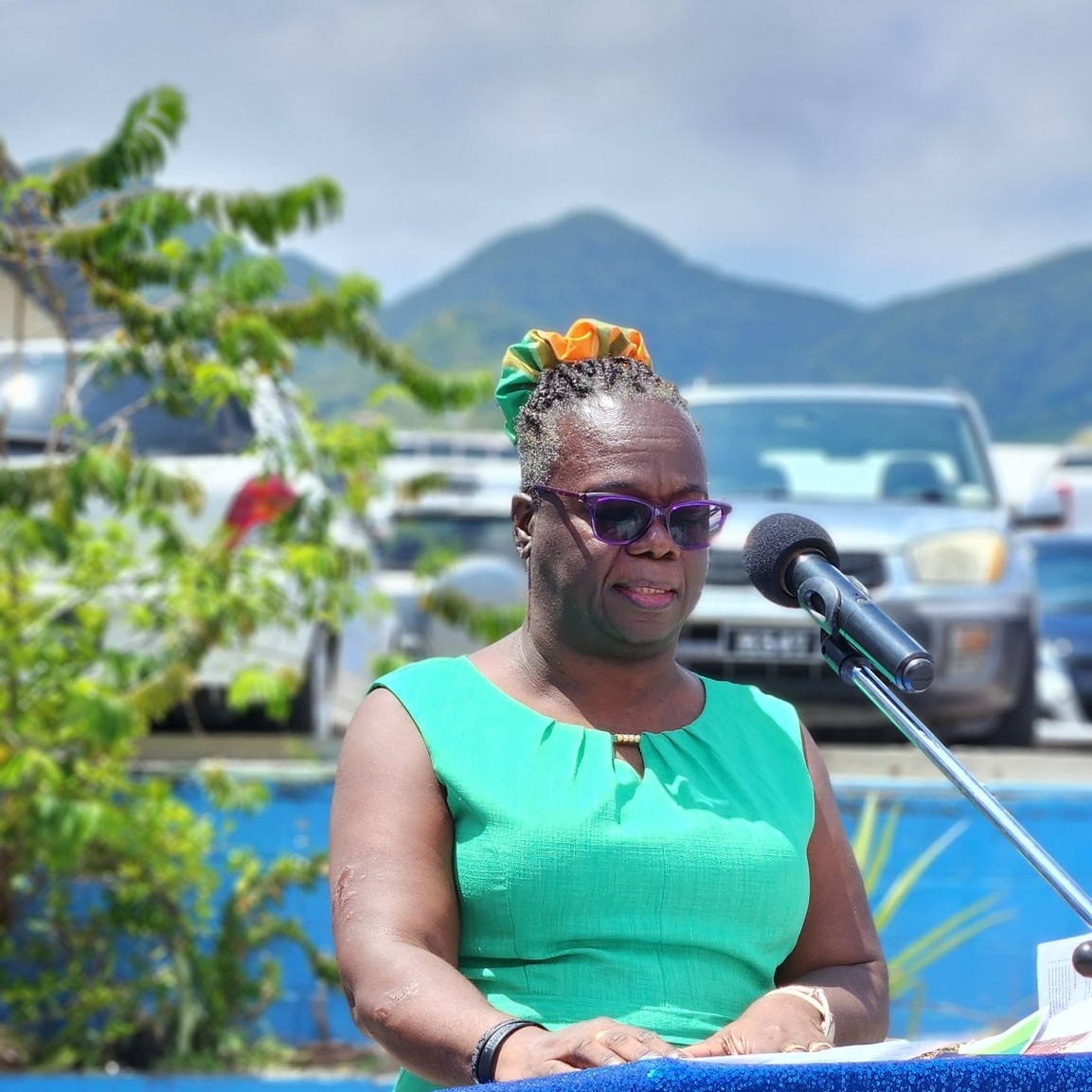
In a detailed address, Magistrate Vashti Chatoor described RISE as a “first for Montserrat” and outlined the broader legal and social implications of the initiative.
“Crime scars entire communities and imposes significant societal costs,” she said. “But eventually, these offenders return to the very communities from which they came. How can they succeed if they don’t have the skills to do so?”
Chatoor shared that RISE is aiming to reduce recidivism by 25% over the next two years, with data being collected to inform a formal research paper. The programme, she noted, addresses various risk factors such as cognitive and behavioural challenges, substance abuse, housing, and employment.
“The success of rehabilitation does not occur overnight. It is a work in progress,” she added, calling for ex-offenders to be seen not as criminals but as “returning residents.”
The Magistrate added that alternatives to conviction, such as probation or discharge orders, could be considered more actively in the future, especially where there is evidence of rehabilitation and community support.
A Community Commitment
As the prison seeks to build a more effective and humane approach to justice and rehabilitation, Kirwan reminded the public that the line between freedom and incarceration can be thin. “Let us not be concerned only when someone close to us becomes imprisoned,” he said. “Let us support change now, for all our citizens.”
Discover more from Discover Montserrat
Subscribe to get the latest posts sent to your email.