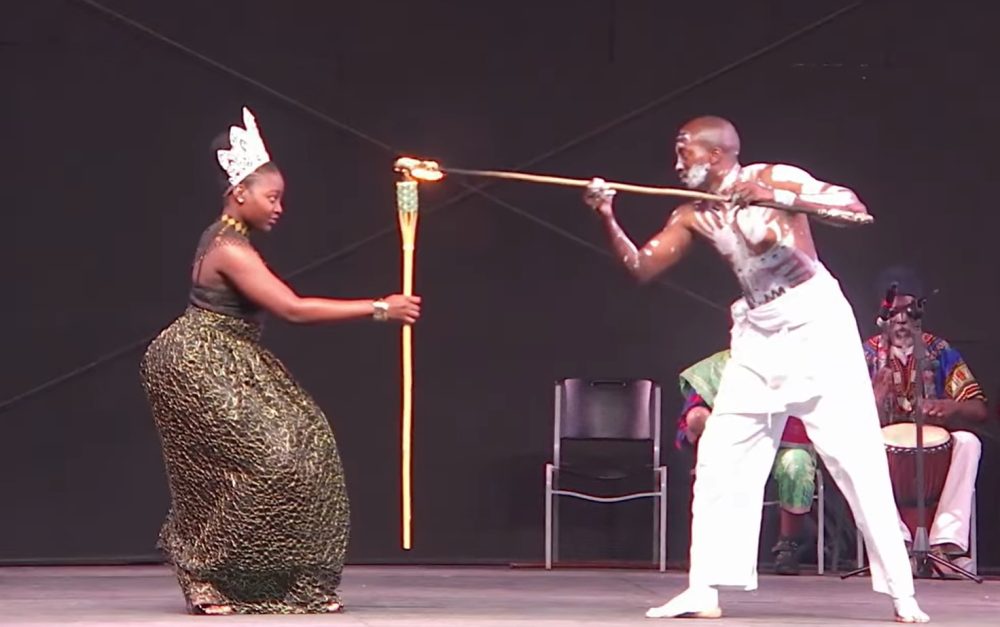
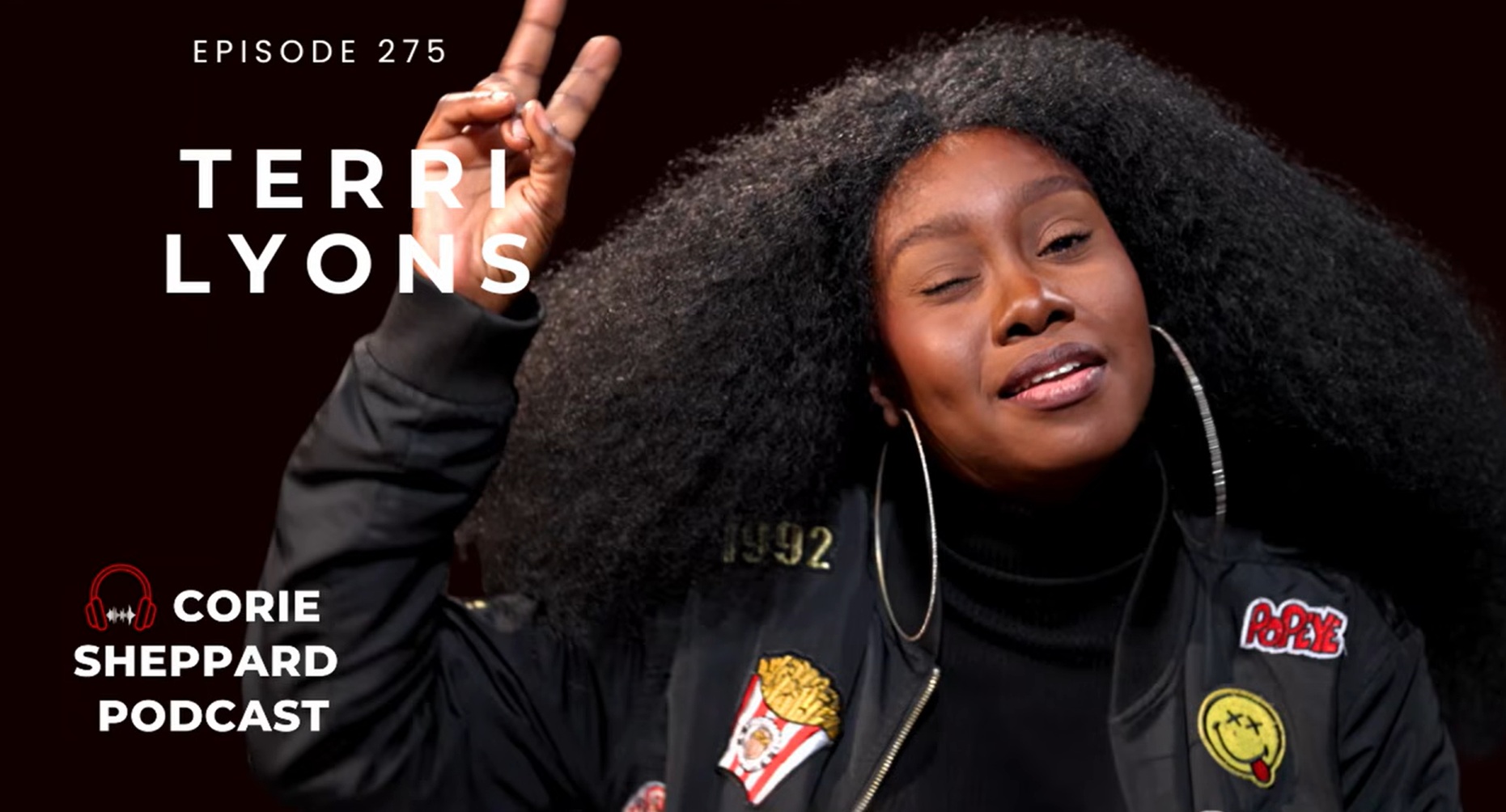
The reigning and four-time Queen of Queens Regional Calypso Competition monarch, Terri Lyons opens a wide-ranging, nearly two-hour conversation on The Corie Sheppard Podcast by reflecting on her experiences performing in Montserrat, a place she describes as both challenging to reach and deeply rewarding once she arrives.
“Going to Montserrat is always a joy. The people are very welcoming,” Lyons said during the interview. “Getting there is the headache. Oh my gosh.”
Her comments drew laughter as she described the realities of regional travel, small aircraft, and weather delays. Frustrations she says she channels directly into her performance.
“I take my frustration and just release it on stage,” she said.
Despite her colourful retelling of turbulent flights, propellers stopping mid-taxi and runway landings that felt uncomfortably short, Lyons was clear that Montserrat itself remains a place she enjoys returning to.
“They feed you well. Thank God, ’cause I’m a eater,” she said. “I enjoy myself there in Montserrat. And that’s around their carnival. They ready.”
Lyons won the crown for the fourth time in December 25 in the popular competition that brings together reigning and top-placed female calypsonians from across the Caribbean.
“When you go over there, it’s not you you’re representing. You’re representing your country,” she said. “That’s why they call it queen of queens, because when you win now, you are the queen of all queens.”
On the Montserrat stage, Lyons performed two songs — one new and one previously released — both judged. One of them, Blessings, was heard by the Montserrat audience for the first time.
“That was the first time they heard that song,” she said. “I didn’t even get it in time to release.”
Lyons said she was surprised by how quickly the Montserrat audience connected with the material.
She also noted that Montserrat audiences embraced songs rooted in Caribbean history and social commentary, even when they carried heavier themes.
“They love that over there,” she said. “They shocked me.”
Lyons described the atmosphere backstage at Queen of Queens as supportive rather than cut-throat, particularly as scores were displayed publicly after the first round.
“Most times when they realise I had the highest marks in the first round, all the other queens be like, ‘Terri, take it,’” she said. “I’m my biggest doubter. I don’t underestimate anyone. Ever.”
That self-doubt, she explained, comes from her own journey in calypso — years of not making finals, being overlooked, and then unexpectedly winning.
“Nobody was expecting Terri Lyons even for the finals,” she said of her early breakthrough. “I wasn’t even expecting myself.”
For Lyons, performing in Montserrat reaffirmed why calypso continues to matter across generations and borders.
“It’s from your ancestors,” she said. “So people will like it.”
And despite her jokes about planes and runways, she left no doubt about her affection for the island and its people.
“It’s home for you,” the host said.
“Yes,” Lyons replied.
Montserrat serves as the opening chapter in a broader discussion that spans calypso performance and cultural responsibility. From there, the conversation widens into Lyons’ creative process, including how she writes songs without rhythms, builds music from melody and story, and deliberately pays homage to calypso icons such as Black Stalin and Shadow. She speaks candidly about self-doubt, discipline, and learning to perform under pressure.
The interview moves beyond the stage into Lyons’ personal history, touching on her upbringing, motherhood, financial discipline, and navigating an industry shaped by politics, gatekeeping and shifting audiences. Throughout, she returns to the idea that calypso remains relevant when it speaks honestly to lived Caribbean experience.
“When people tell me calypso dying, I say, well then seeing that calypso is dying as you say, our culture is dying,” she said. “Why aren’t we being the superman and superwoman to save us?”
Lyons believes audiences still respond strongly when calypso is delivered with humour, clarity and intention.
“People want to laugh,” she said. “You could do the humour and still send out message.”
The full conversation is available on YouTube via The Corie Sheppard Podcast.
Discover more from Discover Montserrat
Subscribe to get the latest posts sent to your email.