
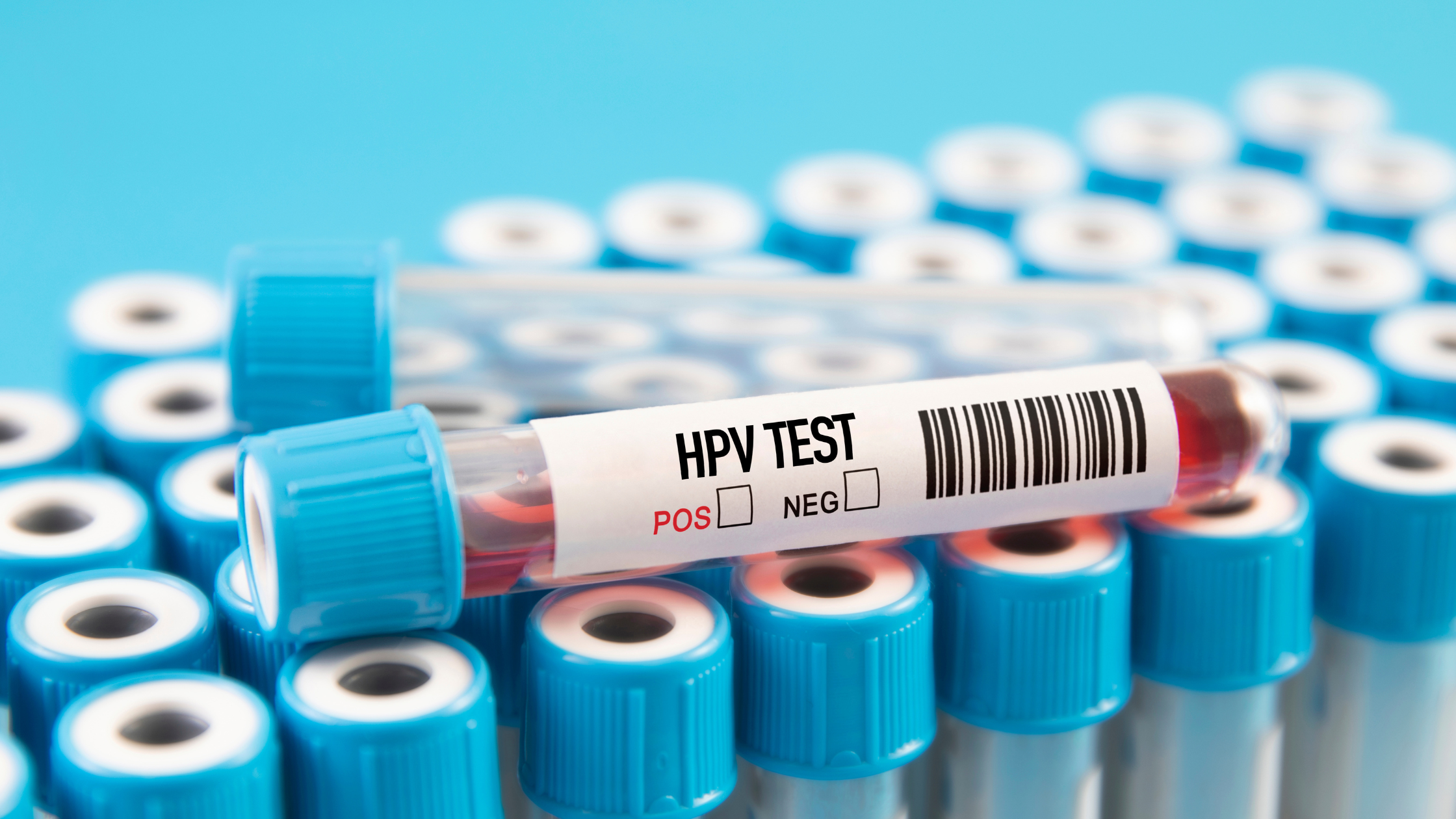
A landmark study led by Chief Medical Officer Dr Sharra Greenaway-Duberry has revealed that 14.6% of Montserratian women aged 25 to 64 carry high-risk strains of the human papillomavirus (HPV), a leading cause of cervical cancer.
The findings were presented at a recent public health research forum moderated by Sharese Allen, with support acknowledged from the UK Health Security Agency (UKHSA).
Dr Greenaway-Duberry explained that Montserrat’s cervical cancer screening has long been ad hoc, relying on pap smears and overseas laboratory testing. “Unlike the UK, where women receive a formal letter inviting them for screening, Montserrat has never had a structured programme. This study was the first step in building one,” she said.
The cross-sectional prevalence survey, conducted between October 2024 and March 2025, sampled 187 women from randomly selected households. Of these, 28 tested positive for high-risk HPV strains. Strikingly, 96% of participants chose to collect their own samples at home rather than visit a health professional.
“Women felt empowered to self-sample, some even doing the test immediately after consent,” Dr Greenaway-Duberry noted. “Montserrat is now among the few countries globally that has formally explored this approach, and it’s an encouraging sign for how we might design our future screening programme.”
The study also highlighted age-related risk. Women aged 25 to 34 were found to be four times more likely to test positive than those in older groups.
Dr Tiffanie Skerritt-Flemming’s earlier review of pap smear data from 2012 to 2022 had already raised concerns, showing that only 7% of eligible women accessed screening, with nearly a third of tests returning abnormal or unsatisfactory results.
Dr Greenaway-Duberry said the new prevalence study fills a crucial gap. “Now that we know our rate is 14.6%, we can act. We need to restart our HPV vaccination programme for both boys and girls, and design a formal screening system that makes self-sampling an option,” she said.
Montserrat’s next steps include finalising a draft cervical cancer elimination plan, purchasing additional HPV test kits and WHO-certified ablation equipment, and expanding diagnostic capacity with the island’s new gynaecologic oncologist. The results have also been submitted for international journal publication.
Public health voices praised the evidence-based approach. Dr Dorothea Blake congratulated the Ministry for “standing firm despite earlier vaccine hesitancy and misinformation” and said the study provides the empirical evidence needed to guide national policy.
Dr Greenaway-Duberry added that the work was only possible through collaboration. “We are deeply grateful to UKHSA for their financial, technical, and behavioural science support, and to the women of Montserrat who took part. Your contribution will not only shape local policy but add to the regional pool of HPV research.”
Discover more from Discover Montserrat
Subscribe to get the latest posts sent to your email.