
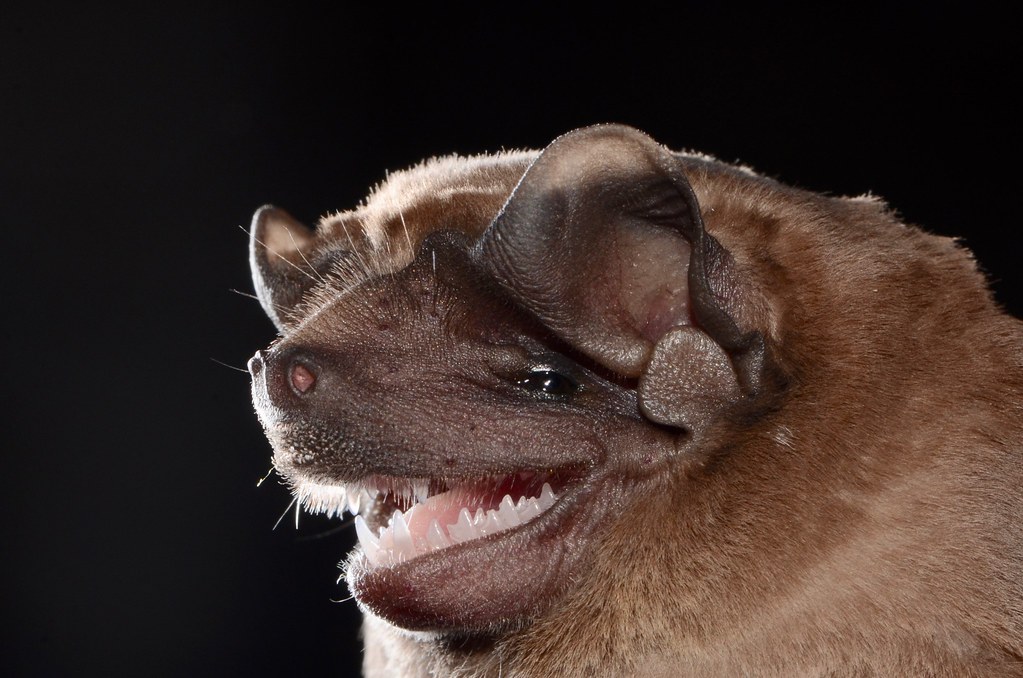
Montserrat is home to a surprisingly rich diversity of bat species, ranging from fruit eaters and pollinators to fast-flying insect hunters and even fish-eating bats. These often-misunderstood mammals are now the focus of a new conservation and research initiative aimed at strengthening knowledge of their health, distribution and ecological impact.
The Montserrat Bat Project: Enhanced Species Health and Impact Assessments is being delivered by Island Solutions Incorporated, in partnership with the Government of Montserrat – Department of Environment. The project is funded under the Darwin Plus Local programme, with a value of £49,006. It began October 1, 2025 and will be completed by September 30, 2026.
Montserrat’s bat population includes nectar-feeding species such as the long-tongued bat, vital for pollinating flowering plants, as well as fruit-eating bats that disperse seeds and support forest regeneration. Insect-eating bats, including free-tailed and funnel-eared species, play a critical role in controlling agricultural pests, while the fisherman bat hunts over coastal waters, detecting ripples on the surface to catch fish.
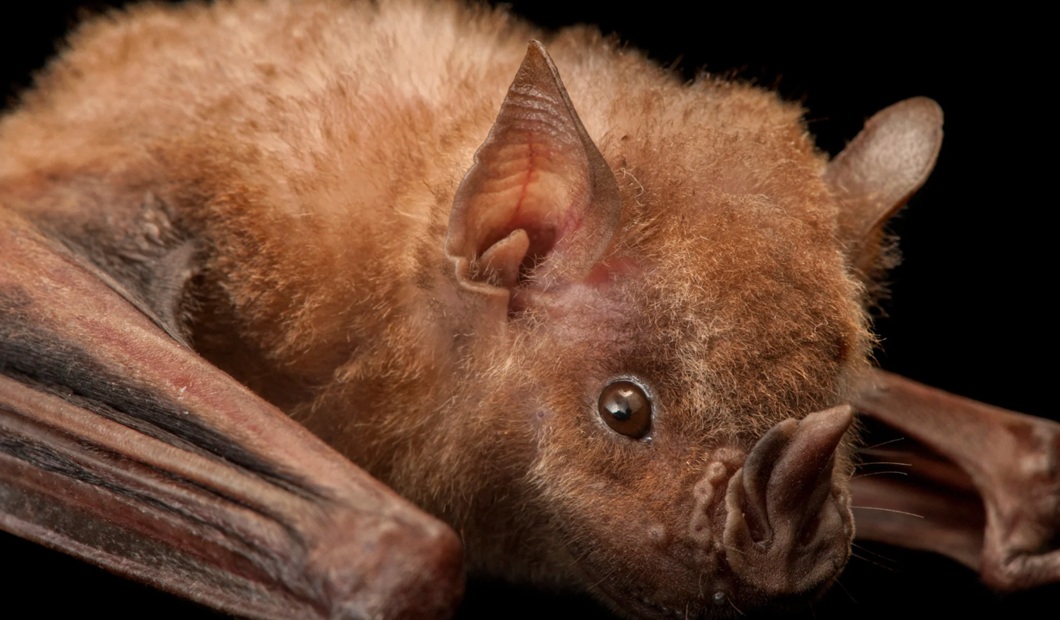
Montserrat is known to host at least 13 bat species. Some species are widespread and adaptable, frequently roosting in buildings or trees, while others are extremely rare. The white-lined bat, once thought extinct on Montserrat, was rediscovered in 2008 but remains endangered following severe habitat loss during Hurricane Hugo in 1989. The yellow-shouldered bat, a very rare subspecies associated with the Soufrière Hills area, is so significant that it has been featured on Montserrat postage stamps.
Project leader Andrew Myers said the work comes at a critical time, as climate change and human activity continue to reshape Caribbean ecosystems. Shifts in temperature, rainfall and land use are already influencing bat populations and species distribution across the region.
Despite their importance to food security, ecosystem health and public health, the most recent comprehensive bat data for Montserrat dates back to 2012 and was collected using capture-based methods such as mist netting.
Project leader Andrew Myers said the current initiative will address this gap by introducing long-term acoustic monitoring, allowing bats to be studied continuously and non-invasively over extended periods. Modern ultrasonic recorders can detect species-specific echolocation calls, generating far more detailed and accurate datasets while reducing sampling bias.
Under the project, four long-term acoustic monitoring stations will operate for a minimum of six months, alongside the deployment of three to four portable ultrasonic bat recorders used by community members at no fewer than 30 short-term monitoring sites. These recordings will be analysed to confirm species presence, identify species not yet represented in global acoustic libraries, and assess population trends linked to climate change and habitat pressures.
Alon with their with the Government of Montserrat, the data will be shared with the North American Bat Monitoring Program, the Alderney Wildlife Trust, and the British Trust for Ornithology, which operates one of the UK’s leading bat acoustic analysis pipelines. Discussions are also under way with the Anguilla National Trust to strengthen regional collaboration.
Montserrat’s unique landscape, shaped by volcanic exclusion zones, protected reserves and relatively low human population density, makes it a valuable natural laboratory for understanding how climate change and development affect bat populations. By comparing newly collected data with historic records, researchers expect to gain critical insights into ecosystem change and species resilience.
Beyond science, the project places strong emphasis on public engagement. Community outreach events and youth programmes will introduce residents to bat monitoring technology, while educational materials, including an island-wide informational poster, will help demystify bats and highlight their ecological value.
Importantly, the project is designed for longevity. Island Solutions plans to sustain the programme beyond the grant period through citizen science initiatives promoted to visitors, branded merchandise, an “adopt-a-bat” scheme, and support for follow-on research projects. Data generated will continue to feed into international acoustic libraries, strengthening machine-learning systems used worldwide to assess bat biodiversity.
Researchers say the initiative will not only strengthen Montserrat’s national biodiversity database—untouched for more than a decade—but also support evidence-based policy decisions related to land use, agriculture, food security and disease control. In doing so, the Montserrat Bat Project is positioning the island as a regional leader in innovative, scalable biodiversity monitoring for the Caribbean and beyond.
The Montserrat Bat Project is listed as Darwin Plus Local Reference DPL00147 and is part of Round 5 of the funding scheme.
Discover more from Discover Montserrat
Subscribe to get the latest posts sent to your email.