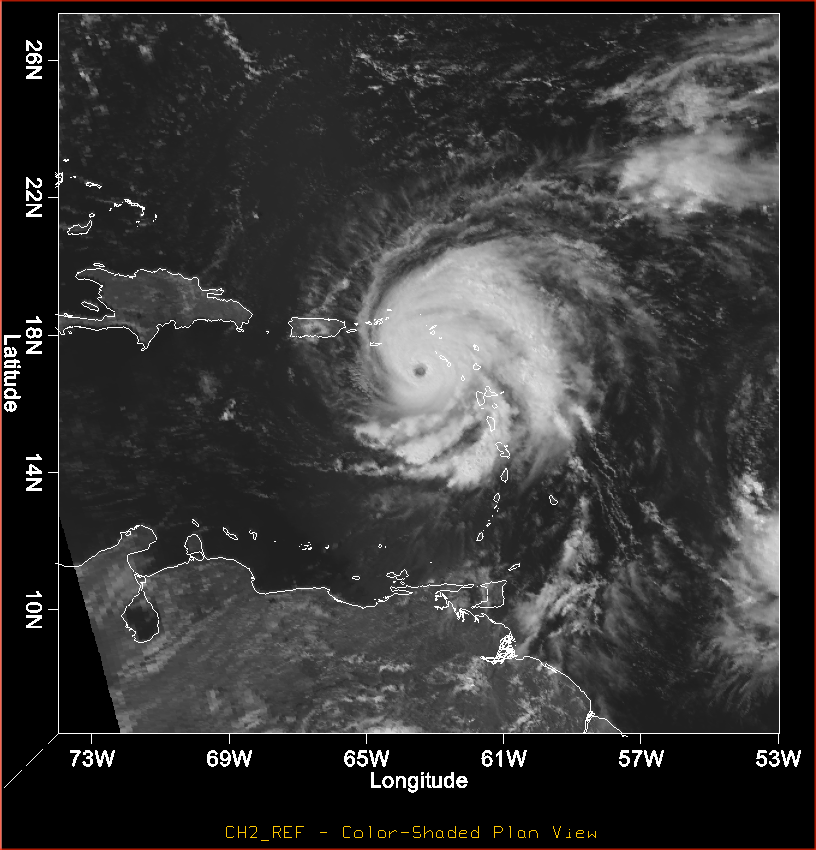
When Hurricane Hugo struck Montserrat in September 1989, there were no smartphones, no WhatsApp groups, no weather apps and no social media alerts.
Many residents relied on radio broadcasts, word of mouth and whatever information they could gather before the storm arrived.
Thirty-six years later, technology has transformed hurricane preparedness. Forecasts can track storms days in advance. Emergency alerts can be shared instantly. Government agencies coordinate through dedicated disaster management systems.
But while much has changed since Hugo, one question remains.
Would your household be ready if a major hurricane threatened Montserrat tomorrow?
A New Kind of Vulnerability
Modern life has created conveniences that many residents could not have imagined in 1989.
Yet some of those conveniences have created new risks.
Today, many people rely almost entirely on their mobile phones for communication, banking, news and emergency information.
If electricity is lost for several days and phones cannot be recharged, that connection can disappear quickly.
A fully charged power bank may now be just as important as batteries were a generation ago.
Residents should consider:
- Portable power banks
- Vehicle charging options
- Solar chargers where possible
- Battery-powered radios
- Offline copies of important documents
- What Every Household Should Have
Emergency officials recommend preparing before a storm is approaching.
A basic preparedness kit should include:
Water
- Drinking water for several days
- Buckets or containers filled before the storm
- Water purification tablets if available
Food
- Non-perishable foods
- Canned goods
- Crackers and dry foods
- Infant supplies where needed
Communications
- Fully charged mobile phones
- Power banks
- Battery-powered radio
- Spare batteries
Lighting
- Flashlights
- Lanterns
- Candles and matches stored safely
Health Supplies
- Prescription medications
- First aid kit
- Essential medical equipment
Financial Preparedness
- Cash on hand
- Copies of important documents
- Insurance information
Electronic payment systems may not always be available immediately after a disaster.
Preparing Your Home
Residents should also:
- Inspect roofs for loose sheets or damage.
- Clean drains and gutters.
- Trim trees near buildings.
- Secure outdoor furniture and equipment.
- Identify a safe room within the home.
- Know where they would go if evacuation became necessary.
Looking After Each Other
One lesson that has not changed since Hugo is the importance of community.
Families should know who among their relatives and neighbours may need assistance before and after a storm.
Older residents, persons living alone and those with medical conditions often require additional support.
Preparedness is not only about protecting property.
It is also about protecting people.
Don’t Forget the Pets
One thing that has changed significantly since Hurricane Hugo is the number of households that now include pets as part of the family.
Dogs, cats and other animals can become vulnerable during storms, particularly if families are forced to leave their homes.
Residents should remember that emergency shelters are designed primarily for human occupants and may not be able to accommodate pets.
That means pet owners should make preparations well before a storm is approaching.
Consider:
- How pets will be safely sheltered.
- Food and water supplies for several days.
- Leashes, carriers and identification tags.
- Copies of vaccination records.
- Medications if required.
For many families, preparedness now includes making a plan not only for children and older relatives, but also for animals that depend on them.
A Skill We Should Still Teach Our Children
Long before weather apps and social media updates, children in Montserrat often learned how to track hurricanes in school.
Using maps, coordinates and simple mathematics, students followed storm positions across the Atlantic and plotted projected paths by hand.
Today, that information arrives instantly on mobile phones and websites.
While technology has made tracking storms easier, understanding how storms move remains a valuable skill.
Parents and teachers can involve children in preparedness by:
- Following official forecasts together.
- Learning the names of storms for the season.
- Understanding hurricane categories.
- Reading weather maps.
- Discussing family emergency plans.
Involving children helps reduce fear and gives them a sense of purpose during uncertain situations.
Preparedness should be something families do together rather than something adults handle behind closed doors.
Helping Children Feel Safe
For many adults, hurricanes are an inconvenience or a logistical challenge.
For children, they can be frightening.
Across the Caribbean, children who have experienced severe storms have sometimes carried memories of strong winds, damaged homes, power outages and disruptions to daily life long after the event has passed.
Parents and caregivers play an important role in helping children manage those fears.
Experts recommend:
- Speaking honestly in age-appropriate language.
- Explaining what is happening and what the family is doing to stay safe.
- Limiting exposure to alarming rumours and social media speculation.
- Encouraging children to ask questions.
- Maintaining routines where possible.
- Remaining calm.
Children often take emotional cues from the adults around them.
A calm and prepared parent can help reduce anxiety, even when a storm is approaching.
Preparedness is not only about protecting homes and possessions.
It is also about protecting emotional wellbeing and helping children feel safe, informed and supported.
It Only Takes One
Forecasters believe 2026 could be a quieter-than-average hurricane season.
But as emergency officials often remind residents, forecasts do not determine where storms will go.
For Montserrat, hurricane preparedness is not measured by the number of storms that form in the Atlantic.
It is measured by whether households are ready when one approaches.
Thirty-six years after Hugo, the island has more tools, more knowledge and stronger emergency systems than ever before.
The question is whether residents are using the time available now to prepare.
Officials Urge Residents to Prepare as Hurricane Season Begins
Discover more from Discover Montserrat
Subscribe to get the latest posts sent to your email.