The Montserrat Animal Protection Society (MAPS) is applauding the tireless efforts of Pamela Holley and her team behind The Cats of Montserrat TNR Project, which continues to make a significant impact on the island’s cat population.
Since its inception in 2018, the Trap Neuter Return (TNR) initiative has reached nearly 600 cats through spay and neuter services, slowing the growth of feral colonies and helping to find homes for countless kittens and sociable strays.
MAPS is encouraging cat owners across the island to support the project by bringing their indoor/outdoor pets to the free Saturday clinic, where rabies and feline leukemia vaccines and microchipping are offered. Spay and neuter procedures remain available by appointment.
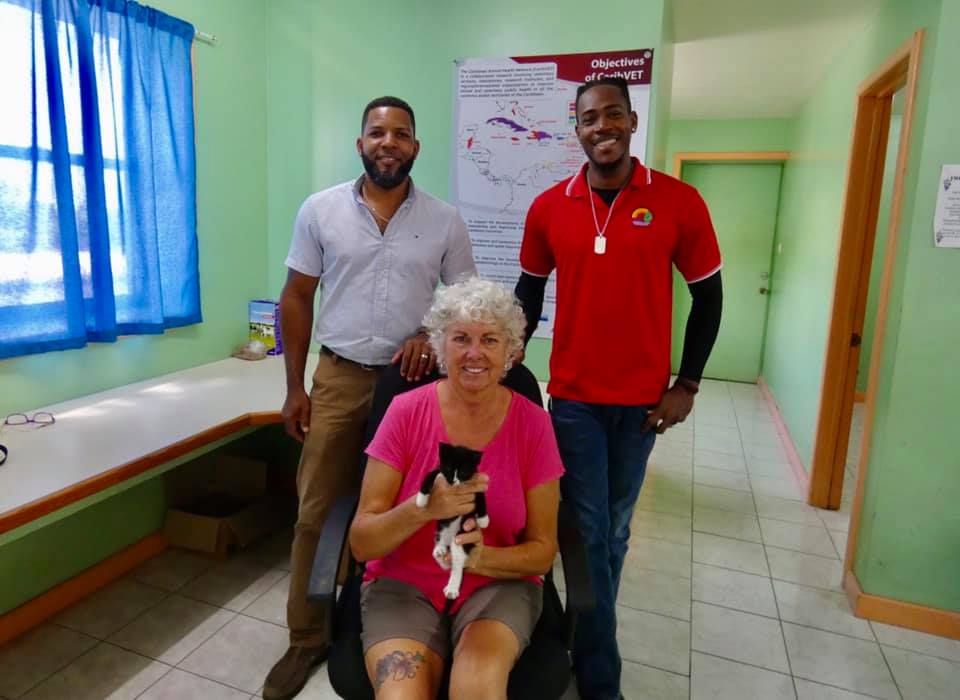
Pam Holley, who relocated to Montserrat from Vermont, started the TNR project with just two traps and two volunteers, managing to neuter 34 cats in the first year. The following year, her team expanded slightly and sterilised another 25 cats in four months. By late 2020, with trapper Jay Steed joining full-time, the project intensified, targeting known feral colonies and reaching 100 neutered cats by early 2021.
That momentum continued with the support of veterinarians Dr Selvyn Maloney and Dr Shadd Antoine, and by the end of 2021, over 200 cats had been spayed or neutered. Fast forward to 2025, and the number is nearing 600.
But the work is far from done.
“There are still a great many feral cats roaming in neighbourhoods and abandoned spaces,” said Holley. “They seek food and shelter in public areas like restaurants and anywhere with uncovered rubbish bins. Many more only come out after dark to find food and a safe place to sleep.”
With cats able to reproduce from as young as five months old, and capable of having up to four litters per year, Holley estimates the project has prevented nearly 10,000 unwanted kittens from being born into the wild.
That, she says, is a game-changer.
Spaying and neutering not only reduces suffering and starvation but also curbs aggression, limits the spread of disease, and helps protect native wildlife by keeping the population in balance. “It’s a humane and effective way to manage cat overpopulation while still allowing enough cats to help control rodents,” Holley added.
The TNR Project remains privately funded, relying heavily on the generosity of animal lovers who want to see a healthier future for Montserrat’s cats.
To support the initiative or make an appointment for your cat, contact MAPS or visit their Facebook page.
Discover more from Discover Montserrat
Subscribe to get the latest posts sent to your email.